The Ultimate Guide to Electric Dirt Bike Components and Technology
The Anatomy of an Electric Dirt Bike: A Deep Dive into Core Technology
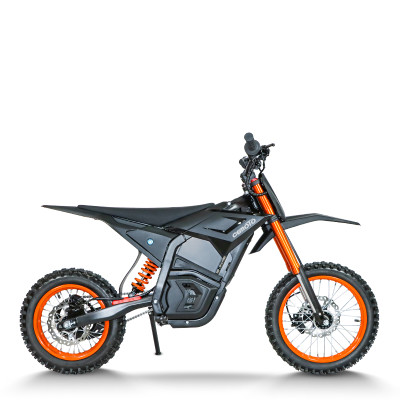
Electric dirt bikes are no longer a niche novelty; they represent a seismic shift in off-road recreation, blending thrilling performance with eco-friendly power. But what exactly happens when you twist the throttle? The silent surge of power is the result of a symphony of advanced components working in perfect harmony. Unlike their gas-guzzling cousins, electric dirt bikes rely on a sophisticated electrical system to deliver instant torque and a uniquely connected riding experience.
Understanding these components is crucial for any rider, whether you're a seasoned pro looking to upgrade or a newcomer curious about the technology. This guide will dismantle the electric dirt bike, exploring each part's function and the technology that makes them tick. From the powerhouse motor to the intelligent controller, you'll gain the expertise to appreciate, maintain, and even enhance your machine.
The Heart of the Beast: The Electric Motor
The motor is the primary power source, converting electrical energy from the battery into the mechanical force that spins the wheels. In the world of electric dirt bikes, two main types of motors dominate: mid-drive and hub-drive systems.

Mid-Drive vs. Hub Motors: A Tale of Two Technologies
Mid-drive motors are located centrally on the frame, near the pedals, and transfer power to the rear wheel via the bike's chain or belt. This central placement offers superior weight distribution, leading to more balanced and natural handling on trails. Because they leverage the bike's existing gear system, they are exceptionally efficient at climbing steep hills, making them a favorite for high-performance and off-road models.
Hub motors are integrated directly into the hub of the front or rear wheel. This design is simpler, often more affordable, and requires less maintenance. However, it can add unsprung weight to the wheel, potentially affecting suspension performance and creating a less balanced feel compared to mid-drive systems.
Brushless Motor Technology: The Modern Standard
Modern electric dirt bikes almost exclusively use brushless DC motors. Unlike older brushed motors, they have no physical brushes to wear out, making them significantly more reliable, efficient, and maintenance-free. They operate using a controller to generate the magnetic fields that rotate the motor, resulting in a smoother, quieter, and more responsive delivery of power.
The Lifeblood: Battery Pack Technology
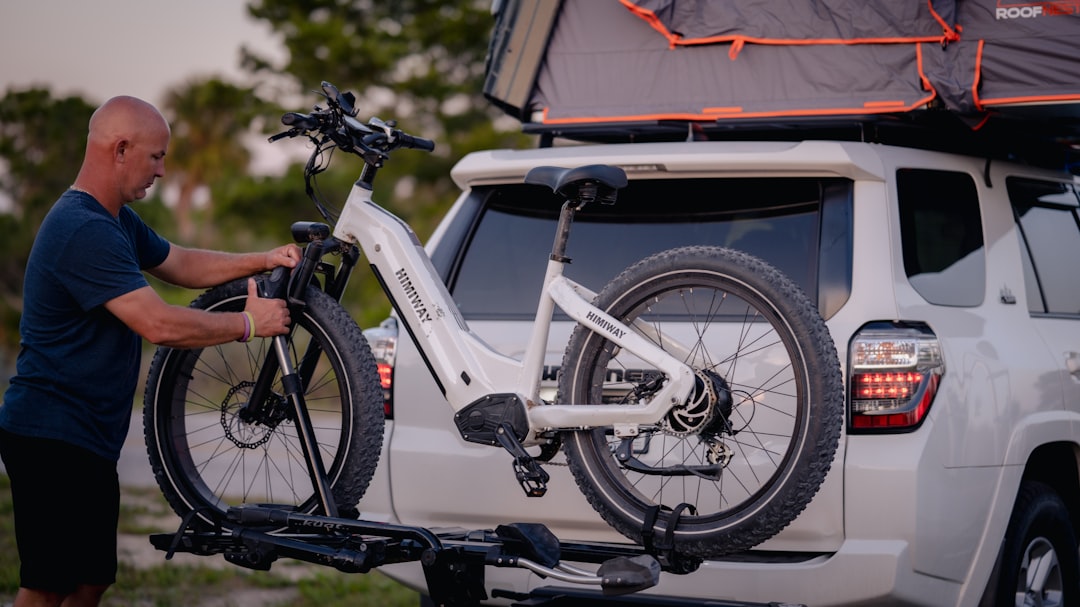
The battery pack is the fuel tank of an electric dirt bike. It stores the electrical energy needed to power the motor and everything else on the bike. The capacity, chemistry, and design of the battery directly influence the bike's range, performance, and weight.
Lithium-Ion: The Reigning Champion
Lead-acid batteries are a thing of the past for any serious e-bike. Today, lithium-ion (Li-ion) batteries are the universal standard, prized for their high energy density, lighter weight, and longer lifespan. Modern packs often use high-quality 18650 or 21700 cells, the latter of which is a newer standard offering even more energy in a slightly larger cell.
Understanding Battery Specs: Volts, Amp-Hours, and Watt-Hours
When looking at a battery, you'll see several key numbers:
- Voltage (V): Think of this as the power of the system. Higher voltage systems (like 48V, 52V, or even 72V) can deliver more power and speed.
- Amp-Hours (Ah): This measures the battery's capacity or range. A higher Ah rating means the battery can supply current for a longer duration.
- Watt-Hours (Wh): This provides the most complete picture of energy storage. It's calculated by multiplying Volts by Amp-hours (V x Ah).
The Brains of the Operation: The Controller
The controller is the electronic brain that connects everything. It takes input from the throttle, regulates the flow of power from the battery to the motor, and manages performance. This small but mighty box is responsible for the bike's acceleration characteristics, power modes, and various safety features. Advanced controllers can even offer smart connectivity and performance monitoring.
Throttle and Rider Inputs
The throttle is your direct connection to the power. Most electric dirt bikes use a twist-grip throttle, similar to a traditional motorcycle, or sometimes a thumb-activated lever. When you activate the throttle, it sends a signal to the controller, which then delivers the corresponding amount of power to the motor for instant acceleration.
The Backbone: Frame and Ergonomics
The frame is the skeleton that holds all the components together, defining the bike's geometry, handling, and durability. Electric dirt bike frames are typically constructed from lightweight yet strong materials like aluminum alloy or high-carbon steel to withstand the rigors of off-road riding. The design must accommodate the unique placement of the motor and battery while maintaining optimal balance and rider ergonomics.
Kissing the Ground: Suspension Systems
Suspension is what separates a jarring ride from a controlled, confidence-inspiring one. It's designed to absorb impacts from rough terrain, keeping the tires in contact with the ground for maximum traction and stability. High-performance electric dirt bikes feature advanced suspension systems that are crucial for handling their unique weight distribution and instant torque delivery.
Forks and Shocks: The Key Players
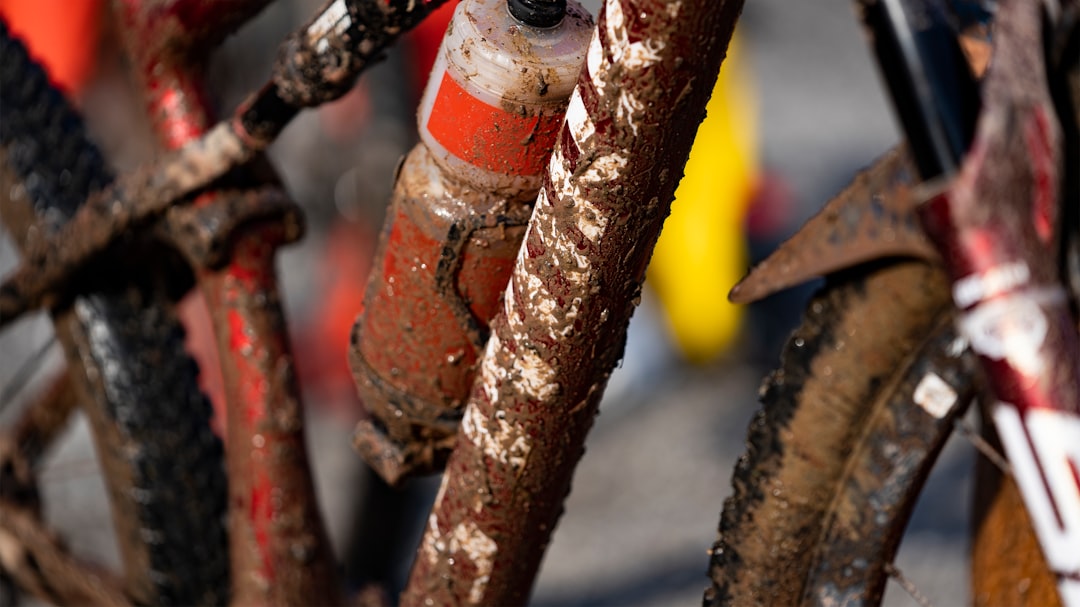
Front suspension is managed by a set of forks, while the rear is typically handled by a mono-shock system. Many high-end bikes use Upside-Down (USD) forks, which offer greater stiffness and improved performance over traditional telescopic forks. Advanced systems from brands like EXT Racing Shox, FastAce, and others offer adjustments for compression and rebound, allowing riders to fine-tune the bike's handling to their specific style and terrain.
Bringing it to a Halt: Braking Systems
With great power comes the need for great stopping power. Electric dirt bikes are almost universally equipped with disc brakes, with hydraulic systems being the preferred choice for their superior strength and modulation compared to mechanical (cable-actuated) brakes. The extra weight and speed of an e-bike demand the reliable performance that hydraulic disc brakes provide. Many systems also include a motor cut-off switch in the brake levers, which instantly disables the motor when the brakes are applied for added safety.
Drivetrain: Power to the Pavement (or Dirt)
The drivetrain consists of the components that transfer power from the motor to the rear wheel. On a mid-drive bike, this usually involves a chain or, increasingly, a Gates Carbon Belt Drive. Belt drives are gaining popularity because they are quieter, lighter, and require less maintenance than a traditional chain. Many electric dirt bikes feature a single-speed transmission, as the instant and broad torque band of the electric motor often eliminates the need for multiple gears.
Comparison of Key Technologies
| Component | Standard Technology | High-Performance Technology | Key Advantage of High-Performance |
|---|---|---|---|
| Motor | Hub Motor (Brushless) | Mid-Drive Motor (Brushless) | Better weight balance, efficiency, and climbing. |
| Battery | Lithium-Ion (18650 Cells) | High-Discharge Li-Ion (21700 Cells) | Higher energy density, minimal voltage sag. |
| Controller | Standard Sine Wave | Field-Oriented Control (FOC) | Smoother, quieter, and more efficient power delivery. |
| Front Fork | Telescopic Spring Fork | USD Air or Coil Fork (Adj. Damping) | Superior stiffness, adjustability, and control. |
| Brakes | Mechanical Disc Brakes | 4-Piston Hydraulic Disc Brakes | Significantly stronger, more precise stopping power. |
The Future is Electric and Intelligent
The technology behind electric dirt bikes is evolving at a breakneck pace. Advancements in battery chemistry promise even longer ranges and faster charging times. Smart connectivity is becoming more common, allowing riders to tune their bike's performance via a smartphone app, track rides with GPS, and receive over-the-air firmware updates. Adaptive suspension systems that automatically adjust to the terrain in real-time are also on the horizon, promising an even more refined and intuitive ride.
By understanding the intricate components and the technology that drives them, you're better equipped to not only maintain your bike but also to fully appreciate the silent revolution happening on the trails.