The Ultimate Guide to Electric Bike Wholesale Pricing: Uncovering the True Cost for Your Business
Unlocking Profitability: Why Understanding Wholesale E-Bike Pricing is Crucial
The electric bike market is booming, presenting a massive opportunity for entrepreneurs and established retailers alike. But success isn't just about selling popular models; it's about understanding the numbers behind the product. A comprehensive grasp of electric bike wholesale pricing is the foundation of a profitable business. It allows you to set competitive retail prices, manage cash flow effectively, and build sustainable relationships with suppliers. Without this knowledge, hidden costs can quickly erode your margins and jeopardize your venture. This guide will demystify the entire process, from the factory floor to your showroom door.
MSRP vs. Wholesale: The First Step in Pricing
Before diving into the details, it's essential to distinguish between two key terms:
- Manufacturer's Suggested Retail Price (MSRP): This is the price the manufacturer recommends for the final sale to a consumer. It's a benchmark that includes profit margins for both the wholesaler and the retailer.
- Wholesale Price: This is the price you, the retailer or distributor, pay the manufacturer. The difference between this price and your final selling price (your margin) must cover all your business costs and generate a profit.
Understanding this distinction is the first step in deconstructing the supply chain and its associated costs.
Key Factor #1: Minimum Order Quantity (MOQ) and Volume Discounts
The most significant lever you have in negotiating wholesale prices is order volume. Manufacturers achieve economies of scale by producing in bulk. This is why they establish a Minimum Order Quantity (MOQ), which is the smallest order they are willing to accept. MOQs for e-bike factories typically range from 50 to 200 units per model. Ordering below the MOQ is often impossible or comes with a substantial price increase. Conversely, placing a large order that far exceeds the MOQ will almost always unlock significant per-unit discounts. For new businesses, it's wise to start with fewer models (SKUs) to meet MOQs without over-investing in inventory.
Key Factor #2: Core Components - The Heart of E-Bike Cost
The final cost of an e-bike is heavily influenced by the quality and specification of its core components. These are not areas to overlook, as they dictate performance, reliability, and ultimately, customer satisfaction.
H2: The Motor: Hub vs. Mid-Drive
E-bike motors are a primary cost driver. There are two main types:
- Hub Motors: Located in the hub of the front or rear wheel, these are generally less expensive and simpler in design. They are common in entry-level to mid-range e-bikes.
- Mid-Drive Motors: Positioned at the center of the bike's frame where the pedals are, these motors offer a more balanced ride and are more efficient on hills. Brands like Bosch, Shimano, and Bafang dominate this premium space, and their inclusion significantly raises the wholesale price.
H2: The Battery: Capacity and Certification
The battery is often the single most expensive component of an e-bike. Its cost is determined by:
- Capacity (Watt-hours - Wh): A higher Wh rating means a longer range, but a higher price. This is a direct trade-off between performance and cost.
- Brand and Chemistry: Cells from reputable brands like Samsung, LG, or Panasonic cost more but offer better performance and longevity.
- Certification: Safety certifications, such as UL certification for the battery system, are critical for market access (especially in the US) and add to the cost. This process can cost thousands of dollars per model and should be factored into your budget.
Key Factor #3: Frame Materials and Component Tiers
Beyond the motor and battery, the frame material and the quality of other components create significant price variations. Frame materials like standard aluminum are cost-effective, while lightweight carbon fiber is a premium option found on high-end models. Likewise, components like brakes, suspension, and gearsets (from brands like Shimano or SRAM) are available in different tiers. A bike equipped with hydraulic disc brakes and a high-end derailleur will have a much higher wholesale cost than one with basic mechanical brakes.
Key Factor #4: Customization and Branding (OEM/ODM)
Are you selling a manufacturer's existing model or creating your own?
- OEM (Original Equipment Manufacturer): You are essentially rebranding a factory's existing product. This is the most cost-effective option with lower MOQs.
- ODM (Original Design Manufacturer): You are working with the factory to design and produce a unique bike. This provides a competitive advantage but involves higher costs for research, development, and tooling, as well as higher MOQs. Custom paint colors, logos, and unique frame designs will all add to the per-unit cost.
Beyond the Factory Gate: Landed Cost vs. FOB Price
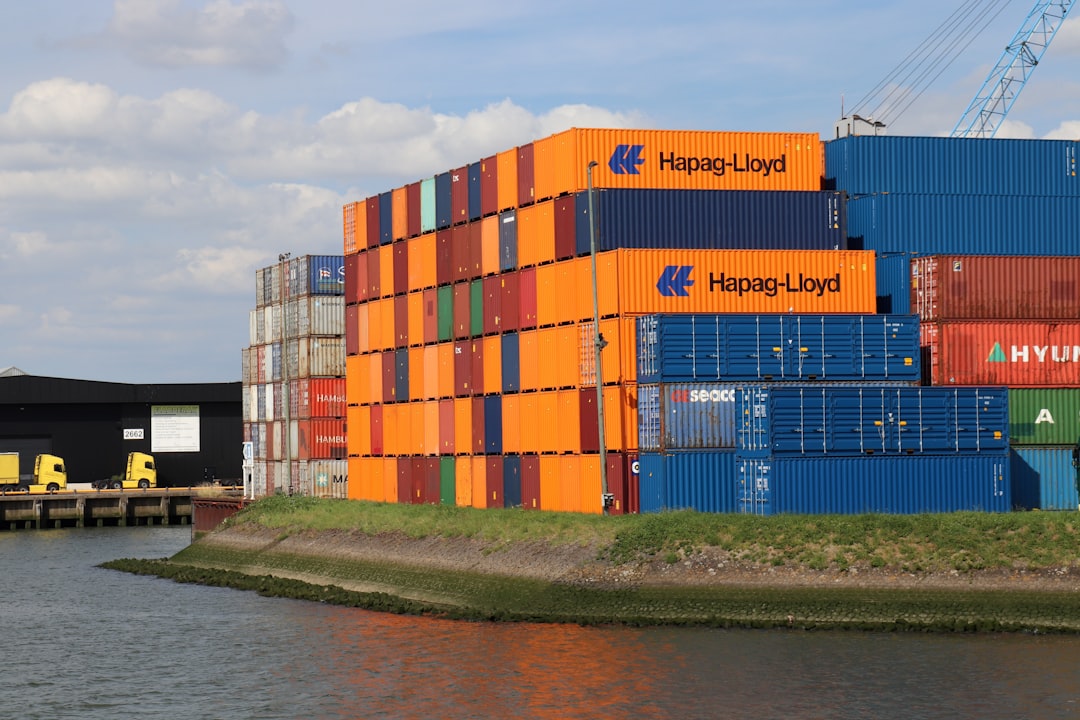
Understanding shipping terms is non-negotiable. The price a factory gives you is often the FOB (Free On Board) price. This means the manufacturer's responsibility ends once the goods are loaded onto the shipping vessel at the port of origin. It does not include ocean freight, insurance, import tariffs, or local delivery. Your true cost is the Landed Cost, which includes all these extra expenses.
The Hidden Costs: Shipping, Tariffs, and Duties
Newcomers to the import business often underestimate these 'hidden' costs, which can dramatically increase the final price per unit.
- Freight: The cost of shipping a container from Asia to North America or Europe can fluctuate wildly based on global demand, fuel prices, and port congestion.
- Tariffs and Import Duties: These are taxes imposed by the destination country. For instance, e-bikes imported from China into the U.S. have faced significant tariffs, sometimes adding 25% or more to the cost. These policies can change, making it a volatile and crucial factor to monitor.
- Other Fees: Don't forget customs brokerage fees, port fees, and domestic transportation from the port to your warehouse.
Calculating Your True Landed Cost: A Sample Calculation
To budget effectively, you must calculate the total landed cost per unit. Here is a simplified example for an order of 100 e-bikes.
| Cost Component | Total Cost | Cost Per Unit |
|---|---|---|
| E-Bike Unit Cost (FOB Price: $600 x 100) | $60,000 | $600 |
| International Freight & Insurance | $5,000 | $50 |
| Import Tariffs (e.g., 25% of FOB) | $15,000 | $150 |
| Customs Brokerage & Port Fees | $1,000 | $10 |
| Domestic Shipping to Warehouse | $1,500 | $15 |
| Total Estimated Landed Cost | $82,500 | $825 |
As you can see, the 'hidden costs' added $225 to the price of each bike, a 37.5% increase over the factory price.
Negotiation and Supplier Relationships
While component specs and volume are primary price factors, building a strong, long-term relationship with your supplier can provide leverage. Reliable partners who pay on time and provide clear forecasts are valuable to manufacturers. This can lead to better payment terms, prioritized production schedules, and more flexibility in negotiations. Always communicate professionally and understand that the goal is a mutually beneficial partnership, not just a one-time transaction.
Final Thoughts: Building a Profitable E-Bike Business
Understanding electric bike wholesale pricing is a complex but essential skill for success. It goes far beyond the initial price tag from a factory. By carefully considering order volume, component specifications, shipping logistics, and import duties, you can accurately calculate your true landed cost. This empowers you to set intelligent retail prices, manage your finances, and build a resilient, profitable e-bike brand that can thrive in a competitive market.