The Ultimate Guide to Electric Bike Quality Control: Ensuring Excellence and Safety from Factory to Rider
Why E-Bike Quality Control is Non-Negotiable
The electric bike market is booming, but with rapid growth comes significant responsibility. Unlike traditional bicycles, e-bikes integrate complex electrical systems, including powerful batteries and motors, where failures can be catastrophic. A faulty battery can pose a fire risk, a malfunctioning motor can lead to loss of control, and a weak frame can result in serious injury. Therefore, a rigorous quality control (QC) process isn't just a best practice; it's a fundamental requirement for brand reputation, legal compliance, and, most importantly, rider safety. A single recall or a series of negative reviews due to poor quality can destroy consumer trust that took years to build. This guide outlines the critical stages and checks necessary to ensure every e-bike leaving the factory is a testament to quality and reliability.
The Foundation: A Robust Quality Management System (QMS)
Before a single component is inspected, a world-class OEM factory must operate under a comprehensive Quality Management System (QMS). A QMS, often certified under standards like ISO 9001, provides the framework for all quality-related activities. It standardizes processes, ensures traceability, and fosters a culture of continuous improvement. An effective QMS dictates how quality standards are defined, how processes are monitored, how defects are handled, and how data is used to prevent future issues. It’s the invisible architecture that supports every aspect of production, ensuring consistency and reliability across thousands of units.
H2: Step 1: Incoming Quality Control (IQC) for Raw Materials and Components
Quality starts with the building blocks. The Incoming Quality Control (IQC) stage is the first line of defense against defects. Before any material enters the production line, it must be thoroughly vetted. This includes:
- Frame Tubing: Checking for correct alloy composition, wall thickness, and absence of cracks or imperfections.
- Batteries: Verifying cell manufacturer, capacity, voltage, and safety certifications (like UL 2271). Batches may undergo sample testing for charge/discharge cycles.
- Motors: Inspecting for correct specifications, testing for smooth operation, and ensuring wiring is secure.
- Small Components: Checking screws, bearings, and connectors against technical drawings to ensure proper dimensions and material strength. A vigilant IQC process prevents substandard components from compromising the entire production chain.
H2: Step 2: In-Process Quality Control (IPQC) on the Assembly Line
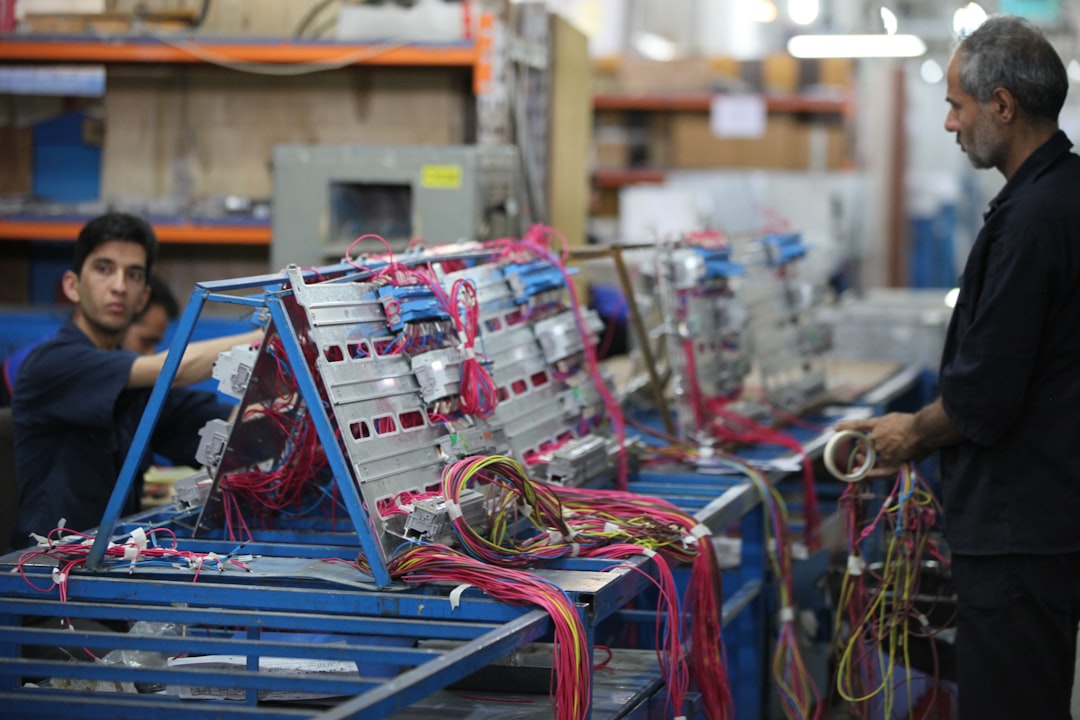
As the e-bike takes shape, In-Process Quality Control (IPQC) ensures each assembly step meets predefined standards. Inspectors patrol the production line, performing checks at critical milestones. Key IPQC checks include:
- Frame Welding: Visual and sometimes ultrasonic inspection of weld quality to ensure deep penetration and no cracks or porosity.
- Component Installation: Verifying that components like the fork, crankset, and brakes are installed with the correct torque settings.
- Wiring and Connections: Ensuring all electrical connections are secure, properly routed, and protected from pinching or abrasion to prevent short circuits.
- Wheel Truing: Checking that wheels are perfectly straight and spokes are properly tensioned. IPQC catches deviations as they happen, allowing for immediate correction and preventing systemic issues from multiplying down the line.
H2: Step 3: Final Quality Control (FQC) for the Assembled E-Bike
Once an e-bike is fully assembled, it undergoes Final Quality Control (FQC), the most comprehensive inspection stage. This is where the product is evaluated as a whole, just as a customer would receive it. This 100% inspection process covers aesthetics, function, and safety. Every single e-bike is put through a detailed checklist before it can be approved for packaging.

H2: The Heart of the E-Bike: Battery and Electrical System Validation
The electrical system is what differentiates an e-bike, and it requires specialized attention. Inspectors perform a series of crucial tests:
- System Activation: Turning the system on and off to check for errors on the display.
- Pedal Assist and Throttle Test: Running the bike on a stand to test all levels of pedal assist and throttle response, ensuring smooth power delivery and cutoff.
- Battery and Charger Check: Connecting the charger to ensure the charging port works and the battery accepts a charge correctly.
- Compliance with Standards: Verification that the entire electrical system, including the battery, motor, and controller, is certified to standards like UL 2849 is crucial for markets like the US and EU. This standard tests for fire, electrical, and mechanical safety.
H2: Frame Integrity and Structural Component Testing
The frame is the skeleton of the e-bike. Its failure can be catastrophic. Quality control for the frame involves more than just visual checks. During the manufacturing process, frames undergo rigorous testing:
- Fatigue Testing: Frames are placed on test rigs that simulate thousands of miles of riding stress to ensure they can withstand long-term use without cracking.
- Impact Testing: Simulating collisions or drops to ensure the frame and fork can handle sudden shocks.
- Load Testing: Applying weight beyond the bike’s rated capacity to test the strength of the frame, seat post, and handlebars.
H2: Drivetrain and Brake Performance Checks
A smooth and reliable ride depends on the drivetrain and brakes. During FQC, every e-bike's mechanical systems are meticulously tested:
- Gear Shifting: Running through all gears to ensure smooth, precise shifting without chain skips.
- Brake Actuation: Testing both front and rear brakes for responsiveness, stopping power, and ensuring brake pads are correctly aligned and not rubbing.
- Crank and Bearing Check: Ensuring the crankset and wheel bearings spin freely without noise or play.
H2: A Comprehensive Final Inspection Checklist
A detailed checklist is essential for ensuring no detail is overlooked during the final inspection. This tool standardizes the process for every inspector and every bike.
| Inspection Area | Key Checkpoints |
|---|---|
| Frame & Fork | Check for scratches, dents, and weld integrity. Verify alignment. |
| Wheels & Tires | Check tire pressure, wheel true, and spoke tension. |
| Steering | Ensure headset is tight, and handlebars are aligned and torqued. |
| Brakes | Test lever feel, stopping power, and pad alignment. Check for hydraulic leaks. |
| Drivetrain | Test shifting through all gears. Check chain tension and lubrication. |
| Electrical System | Power on/off. Test all PAS levels and throttle. Check display for errors. |
| Accessories | Verify lights, bell, and any included racks or fenders are secure and functional. |
| Documentation | Ensure the correct user manual and charger are included. |
H2: Road Testing and Real-World Simulation
While static tests are essential, nothing beats a real-world simulation. A percentage of e-bikes from every batch are taken for a short road test. This test helps identify issues that may not appear on a factory stand, such as:
- Subtle frame noises or creaks under rider weight.
- Performance issues with suspension on uneven surfaces.
- Real-world brake performance and modulation.
- Motor performance on an actual incline. This final step validates that the e-bike performs as expected in the environment it was designed for.
H2: Packaging Inspection and Outgoing Quality Control (OQC)
The quality control process doesn't end when the bike is approved. The packaging itself is inspected to ensure it can protect the e-bike during shipping. Outgoing Quality Control (OQC) involves a final random inspection of a packaged product to ensure the correct item, accessories, and documentation are in the box and that it is sealed securely. This prevents shipping damage and ensures the customer has a positive out-of-box experience.
H2: The Role of After-Sales Support in Quality Improvement
A truly quality-focused OEM understands that the process extends beyond the factory gates. A robust after-sales support system is a valuable source of quality control data. By tracking warranty claims, repair requests, and customer feedback, manufacturers can identify recurring issues that may not have been caught during internal inspections. This data feedback loop is critical for making targeted improvements to product design, component selection, and manufacturing processes, embodying the principle of continuous improvement.