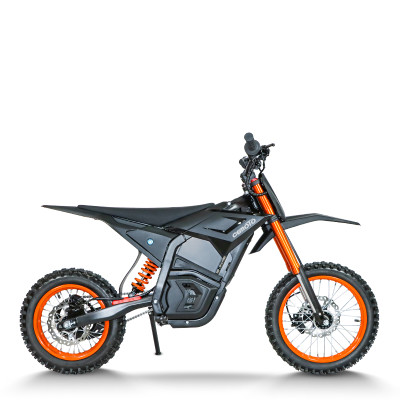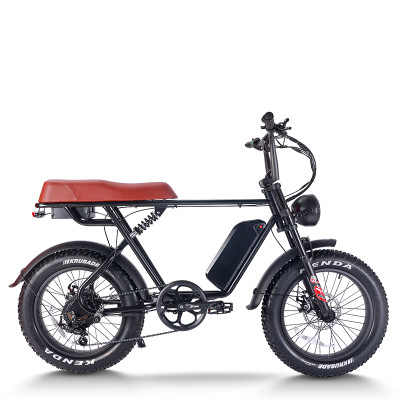
The Ultimate 2026 Wholesale Guide to Electric Dirt Bikes: Powering Your Business Growth
Unlocking Profit: Your 2026 Guide to Wholesale Electric Dirt Bikes
The roar of combustion engines is slowly being replaced by the silent, powerful hum of electric motors, and nowhere is this transition more exciting than in the off-road world. Electric dirt bikes are not just a fleeting trend; they represent a significant and rapidly growing market segment. For retailers, distributors, and rental businesses, this surge in popularity presents a golden opportunity. However, navigating the wholesale market can be complex. Choosing the wrong product or supplier can lead to costly mistakes. This guide is designed to be your roadmap, providing the expertise needed to confidently invest in wholesale electric dirt bikes and energize your business's bottom line.
H2: Why Electric Dirt Bikes are a Golden Opportunity for Wholesalers
The market for electric vehicles is expanding at an unprecedented rate. This growth isn't limited to cars; it's creating massive opportunities in recreational sports. Here’s why your business should pay attention:
- Explosive Market Growth: Consumer demand is driven by a desire for quieter, more environmentally friendly recreational options that don't sacrifice performance.
- Lower Barrier to Entry: Electric dirt bikes have fewer mechanical parts than their gas-powered counterparts, often resulting in less maintenance for the end-user, which is a strong selling point.
- Expanding Demographics: The quiet nature and ease of use of e-dirt bikes appeal to a broader audience, including families, trail-riding enthusiasts in noise-sensitive areas, and new riders intimidated by traditional dirt bikes.
- Regulatory Tailwinds: As noise and emission regulations become stricter in many recreational areas, electric dirt bikes offer a compliant and future-proof solution for riders.
H2: Understanding the Electric Dirt Bike Market Segments
Not all electric dirt bikes are created equal. To be a successful wholesaler, you must understand the key market segments to ensure you're stocking products that your customers—and their customers—actually want. The market is primarily divided by rider age and intended use:
- Youth & Kids Models: These are typically low-power, lightweight bikes with extensive safety features like speed limiters. They are a high-volume category, perfect for parents looking to introduce their children to off-roading safely.
- Teen & Beginner Models: A step-up in power and size, these bikes offer a balance of performance and manageability. They are ideal for recreational trail riding and newcomers to the sport.
- Adult & Performance Models: This is the high-performance segment, featuring powerful motors, long-range batteries, and advanced suspension systems designed for serious enthusiasts and competitive motocross.
- Trail vs. Motocross: Trail bikes are built for endurance and versatility on varied terrain, while motocross bikes are designed for high-speed, high-impact performance on closed tracks.
H2: Key Features to Scrutinize in a Wholesale Electric Dirt Bike
When you're evaluating potential products for your inventory, you need to go beyond the spec sheet. For a wholesale buyer, the quality and reliability of these components directly impact your reputation and profitability. Focus on these critical features:
- Motor Power: Measured in Watts (W), this is a primary performance indicator. Look for suppliers offering a range from 500W for kids' bikes to over 12,000W for high-performance adult models.
- Battery System (Voltage & Amp-Hours): The battery is the heart of the bike. Voltage (V) correlates to power, while Amp-hours (Ah) determine the range. High-quality, removable batteries with reliable Battery Management Systems (BMS) are a major selling point.
- Frame and Materials: The frame’s material (e.g., steel vs. aluminum alloy) impacts the bike's weight, durability, and cost. Ensure the welding and construction are of high quality to handle off-road stress.
- Suspension System: A robust front fork and rear shock are crucial for off-road performance and rider comfort. Adjustable suspension is a premium feature that appeals to serious riders.
- Braking System: Hydraulic disc brakes are the standard for any quality electric dirt bike. They offer superior stopping power and reliability compared to mechanical brakes.
- Controller: This electronic component manages the power flow from the battery to the motor. A high-quality, programmable controller allows for a smoother power delivery and better rider experience.
H2: Comparing Popular Wholesale Models (Example)
A feature comparison table is one of the most effective tools for making an informed decision. When you source from a supplier, ask for a detailed breakdown that you can use to compare models head-to-head. Here’s a sample comparison:
| Feature | YouthRider 500 | TerraVolt 3000 | ApexCharge 12K Pro |
|---|---|---|---|
| Target Audience | Kids (Ages 6-10) | Teens / Beginners | Adults / Expert |
| Motor Power | 500W Brushless Hub | 3000W Mid-Drive | 12000W Peak Mid-Drive |
| Battery | 36V 10Ah Lithium | 60V 30Ah Lithium (removable) | 72V 50Ah Lithium (removable) |
| Max Range (Est.) | 15 km | 60 km | 100+ km |
| Top Speed (Est.) | 25 km/h (limited) | 65 km/h | 110+ km/h |
| Suspension | Basic Spring Fork / Mono | Inverted Fork / Adjustable | Fully Adjustable Race-Grade |
| Brakes | Mechanical Disc | Hydraulic Disc | 4-Piston Hydraulic Disc |
| Frame Material | Steel | Aluminum Alloy | Forged Aluminum |
H2: How to Vet a Wholesale Electric Dirt Bike Supplier
Your supplier is your most important partner. A great product is meaningless without a reliable, trustworthy, and professional supplier. Here's how to properly vet them:
- Certifications: Ask for proof of key certifications like CE (for Europe), UL (for electronics in North America), and ISO 9001 (for manufacturing quality). This demonstrates a commitment to safety and quality standards.
- Factory Audits/Visits: If possible, visit the factory or request a third-party audit. This provides invaluable insight into their production capabilities, quality control processes, and working conditions.
- Minimum Order Quantity (MOQ): Understand their MOQ and see if it aligns with your business's purchasing power and storage capacity. Some suppliers are more flexible than others, especially for initial orders.
- Communication & Support: A professional supplier should have fluent English-speaking sales and support staff. Their responsiveness and professionalism during the inquiry phase are good indicators of their long-term service.
H2: The Critical Role of After-Sales Support and Spare Parts
Your responsibility doesn't end after you sell a bike to a retailer. The long-term success of your wholesale business hinges on the availability of spare parts and technical support. A customer with a broken bike and no access to parts is a customer you'll lose forever. Before signing a contract, clarify:
- Warranty Policy: What is the supplier's warranty on the frame, motor, battery, and controller? A comprehensive warranty is a sign of confidence in their product.
- Spare Parts Availability: Do they have a clear catalog of spare parts? What are the lead times for ordering them? A good supplier should have a streamlined process for providing everything from brake pads to replacement motors.
- Technical Support: Do they provide technical documentation, troubleshooting guides, or have a dedicated support team to assist with repairs?
H2: Navigating Logistics and Shipping for Bulk Orders
Getting your inventory from the factory to your warehouse is a major step with many potential pitfalls. A clear understanding of logistics is crucial for managing costs and timelines.
- Incoterms: Familiarize yourself with Incoterms like FOB (Free on Board) and EXW (Ex Works). These terms define who is responsible for the goods at each stage of the shipping process.
- Freight Forwarders: Work with a reputable freight forwarder who specializes in international shipping from your supplier's country. They will handle customs clearance, duties, and final delivery.
- Packaging: Insist on robust packaging to prevent damage during transit. Individual boxing within a larger master carton is a common and effective method for bulk bike orders.
H2: Calculating Your Potential ROI: A Cost-Benefit Analysis
To ensure profitability, you need to look beyond the per-unit factory price. A thorough cost-benefit analysis will give you a realistic view of your potential return on investment (ROI).
- Landed Cost: This is the true cost of each unit and includes the factory price, shipping, insurance, import duties, and any customs brokerage fees.
- MSRP & MAP: Understand the Manufacturer's Suggested Retail Price (MSRP) and any Minimum Advertised Price (MAP) policies. This will help you determine the potential margin for your retail clients and for yourself.
- Profit Margins: Calculate the gross margin by subtracting the landed cost from your wholesale selling price. A healthy margin is essential to cover your operational costs (storage, marketing, salaries) and generate a profit.
H2: Branding & White-Labeling (ODM/OEM) Opportunities
For established businesses looking to build a brand, many suppliers offer Original Design Manufacturer (ODM) or Original Equipment Manufacturer (OEM) services. This allows you to sell electric dirt bikes under your own brand name.
- OEM: You can apply your logo and branding to a supplier's existing product model.
- ODM: You can work with the supplier to design and manufacture a unique product to your specifications.
This is an excellent way to differentiate yourself in the market, but it often requires higher MOQs and a larger upfront investment in design and development.
H2: Frequently Asked Questions (FAQ) for Wholesale Buyers
What are typical Minimum Order Quantities (MOQs)? It varies greatly by supplier. For high-value items like e-dirt bikes, MOQs can range from 10 units to a full 40ft container (around 100-150 units).
What is the average production lead time? Expect a lead time of 30-60 days for production after your order is confirmed and the deposit is paid. This does not include shipping time.
What are the common payment terms? The industry standard is a 30% deposit to begin production and the remaining 70% balance to be paid before shipping (or upon presentation of the Bill of Lading).
Can I get an exclusive distribution agreement? This is negotiable, but suppliers typically reserve exclusivity for large-volume, long-term partners who can commit to significant annual purchase targets for a specific region or country.