The Silent Revolution: A Guide to the 2025-2026 Electric Dirt Bike Lineup
2025-2026 Electric Dirt Bikes: The Silent Revolution is Here
The world of motocross and off-road riding is on the verge of its most significant transformation yet. The roar of two-strokes and the rumble of four-strokes are slowly being joined by the near-silent, explosive power of electric dirt bikes. What was once a niche curiosity is now a full-blown movement, with major manufacturers and innovative startups all vying to create the ultimate electric off-road machine. For 2025 and 2026, the market is poised to explode with new models that promise to outperform their gasoline counterparts in every way. Instant torque, zero emissions, and minimal maintenance are just the beginning. Welcome to the silent revolution.
Why Electric is Redefining Off-Road Riding
For decades, the internal combustion engine has been the undisputed king of the dirt. But electric technology is changing the game by addressing some of the biggest limitations of traditional bikes while offering entirely new advantages.
- Instant, Controllable Torque: Electric motors deliver 100% of their torque instantly, providing acceleration that can outperform even the most powerful gas bikes. This power is also highly tunable, allowing riders to adjust the bike's characteristics to match their skill level and the terrain.
- Minimal Maintenance: Say goodbye to oil changes, air filter cleanings, and engine rebuilds. Electric drivetrains have far fewer moving parts, drastically reducing the time and money spent on maintenance.
- Silent Operation: The near-silent operation of an electric dirt bike opens up riding opportunities in areas where noise is a major issue. It allows for riding closer to residential areas and reduces rider fatigue on long trail rides.
- Environmental Benefits: With zero emissions, electric dirt bikes are a cleaner alternative for environmentally-conscious riders who want to enjoy the outdoors responsibly.
Stark Future: The Benchmark Continues to Evolve
Stark Future shocked the world with the Varg, a bike that proved electric motocross machines could not only compete with but dominate gas-powered bikes. For 2025, they continue to refine their platform. The Stark Varg MX 1.2 is an update that introduces performance and durability enhancements. It features a revised powertrain that can be adjusted from 10 to a staggering 80 horsepower. A new, larger 7.2 kWh battery increases range by a claimed 20%, addressing one of the key concerns for serious riders. Additionally, Stark has launched the Varg EX, a street-legal enduro version set for a 2025 release, complete with lights and an 18-inch rear wheel, making it a true do-it-all electric off-roader.
KTM Freeride E-XC: The Refined Trail Machine for 2026
KTM has been in the electric game for years with its Freeride E-XC, and the 2026 model sees significant updates. While not a direct competitor to the high-power Varg, the Freeride E-XC focuses on lightweight agility and trail-riding fun. The 2026 model boasts an updated frame, improved battery efficiency for longer ride times (up to two hours of mixed riding), and refined WP suspension. Multiple riding modes, including regenerative braking to extend range on descents, make it an incredibly versatile and forgiving bike. Its quiet operation and nimble handling make it perfect for technical single-track and riders of all skill levels who want a less intimidating entry into off-road riding.
Yamaha Steps In: The YE-01 Concept Becomes Reality
After years of showcasing prototypes, Yamaha has made a significant move by announcing its YE-01 electric motocross concept. Developed in partnership with French specialist Electric Motion, the YE-01 is built on the chassis of the acclaimed 2026 YZ450F, ensuring a familiar and confidence-inspiring ride. Yamaha is targeting MXGP-level performance and plans to enter the bike in the new MXEP electric racing series in 2026. A standout feature is the inclusion of a hydraulic clutch, designed to give riders the familiar feel and control over traction that they are used to on a gas bike. This blend of new technology with traditional rider inputs could be the key to converting even the most die-hard petrolheads.
Honda's CR Electric Proto: From Race Track to Showroom?
Honda created a major buzz by racing its CR Electric Proto in the All Japan Motocross Championship with Trey Canard at the helm. The bike proved its competitiveness by grabbing holeshots and running at the front against 450cc gas bikes. The prototype uses a CRF-style aluminum beam frame and top-tier Showa suspension. While Honda remains tight-lipped about a production timeline, the appearance of "2025" on the bike's number plates at an event hints that a consumer version could be coming sooner rather than later. The fact that a major manufacturer like Honda is publicly developing and racing an electric motocrosser at this level signals a monumental shift for the industry.
The Rise of Lightweight & Mid-Weight e-Motos
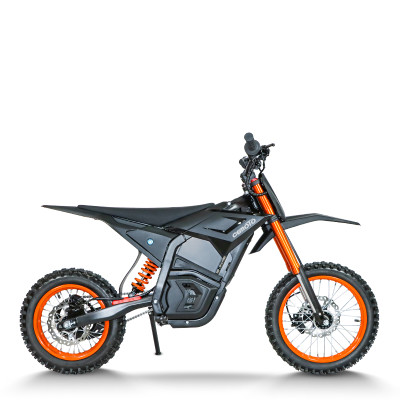
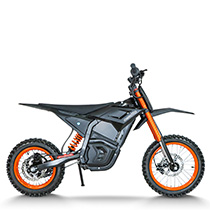
Beyond the full-size motocross models, a burgeoning market of lightweight electric dirt bikes is bridging the gap between mountain bikes and motorcycles. Brands like Sur-Ron, Talaria, and the emerging Zero XE for 2026 are offering nimble, fun, and accessible options. These bikes are perfect for backyard tracks, tight trails, and riders who don't need the extreme power (or weight) of a full-size race bike. Models like the E Ride Pro-SS, Talaria Sting, and 79Bike Falcon Pro are packing impressive power into sub-140lb packages, creating a whole new category of off-road fun.
Battery and Charging Technology: Powering the Future
The single biggest factor in the advancement of electric dirt bikes is battery technology. For 2025 and 2026, we're seeing bikes with larger capacities, offering longer run times that can rival a tank of gas. Models like the Stark Varg can provide hours of trail riding or a full moto on a single charge. Charging times are also dropping, with many models offering a full charge in just 1-2 hours. Some, like the KTM Freeride, feature swappable batteries, allowing riders to keep going with a quick pit stop.
Performance Comparison: Electric vs. Gas
How do the new electric bikes stack up against their gas-powered rivals? The debate is heating up, but the numbers speak for themselves. The instant torque of an electric motor provides an acceleration advantage that is hard to beat. The ability to fine-tune power delivery, engine braking, and traction control via a smartphone app offers a level of customization that gas bikes can only dream of.
| Feature | 2025 Electric Models (High-End) | 450cc Gas Motocross Bike |
|---|---|---|
| Peak Power | Up to 80 HP | ~60-63 HP |
| Torque Feel | Instant, from 0 RPM | Builds through RPM range |
| Maintenance | Minimal (chain, tires, brakes) | Frequent (oil, filters, engine) |
| Riding Noise | Near-silent | Loud |
| Tunability | Highly customizable via app | Limited (ECU remapping) |
| Curb Weight | ~240-270 lbs | ~230-245 lbs |
What to Consider Before Buying
Choosing the right electric dirt bike depends on your riding style and needs.
- For the hardcore racer: The Stark Varg remains the king, offering unmatched power and suspension.
- For the versatile trail rider: KTM's Freeride E-XC offers a proven, lightweight, and agile package.
- For those waiting on the big brands: Keep a close eye on Yamaha and Honda, as their upcoming models are set to be serious contenders.
- For lightweight fun: Explore options from Sur-Ron, Talaria, or the new Zero XE for nimble and playful riding experiences.
The Future is Silent, and Fast
The 2025-2026 model years represent a turning point for electric dirt bikes. They are no longer a compromise; they are a legitimate, high-performance alternative to gas. With every major manufacturer entering the fray and technology advancing at an incredible pace, the question is no longer if electric will take over, but when. The silent revolution is gaining momentum, and it promises a faster, cleaner, and more exciting future for off-road riding.