The Hidden Risks of E-Bike Wholesaling: How to Protect Your Investment and Reputation
The Hidden Risks of E-Bike Wholesaling: How to Protect Your Investment and Reputation
The global e-bike market is booming, driven by a collective shift towards sustainable transport and active lifestyles. For entrepreneurs and retailers, entering this market through wholesale purchasing seems like a golden ticket. It promises lower unit costs, faster market entry, and the potential for high-profit margins. However, beneath this lucrative surface lies a complex web of risks that can jeopardize your investment, damage your brand reputation, and create significant legal liabilities.
Successfully navigating the world of e-bike wholesaling requires more than just negotiating a low price. It demands a deep understanding of the entire supply chain, from raw material sourcing to after-sales service. Without a robust strategy for risk management, businesses can find themselves grappling with inconsistent product quality, unreliable suppliers, and dissatisfied customers.
1. The Critical Importance of Supplier Vetting
The foundation of a successful wholesale business is a reliable supplier. Yet, distinguishing a trustworthy manufacturer from a fleeting trading company can be challenging. Many businesses fall into the trap of choosing a supplier based solely on the lowest bid, a decision that often leads to disastrous consequences. Ultra-low prices may be a red flag for substandard materials, poor manufacturing processes, and non-existent quality control.
Dependency on a single OEM can also create significant vulnerabilities. Relying on one factory for your entire inventory exposes your business to supply chain disruptions, будь то caused by geopolitical tensions, natural disasters, or labor strikes. Diversifying your supplier base, though more complex to manage, is a crucial long-term strategy.
2. Navigating the Maze of Quality Inconsistency
Even with a vetted supplier, maintaining consistent quality across large orders is a major hurdle. An e-bike is a complex assembly of parts—motors, batteries, controllers, frames, and brakes—often sourced from various third-party manufacturers. A failure in any one of these components can render the entire product unsafe or unusable. Without rigorous quality control at every stage, from incoming raw materials to final assembly, you risk receiving a shipment riddled with defects.
Common quality issues include everything from cosmetic scratches and incorrect logos to more severe problems like faulty welds, noisy motors, and unbalanced frames. These inconsistencies not only lead to higher return rates but also erode customer trust in your brand.
3. The Ticking Time Bomb: Battery and Electrical System Risks
The heart of any e-bike is its battery and electrical system, and this is also where some of the most significant risks lie. Lithium-ion batteries, if poorly manufactured, damaged, or uncertified, can pose a serious fire hazard through a process called thermal runaway. This risk is magnified when dealing with wholesale quantities, as a single defective batch can lead to widespread safety recalls and devastating liability claims.
Ensure your supplier provides detailed specifications and safety certifications for all electrical components, especially the battery. Certifications like UL 2849 (for the entire e-bike electrical system) and UL 2271 (for the battery itself) are becoming industry standards and are essential for mitigating these risks.
4. When After-Sales Support Fails
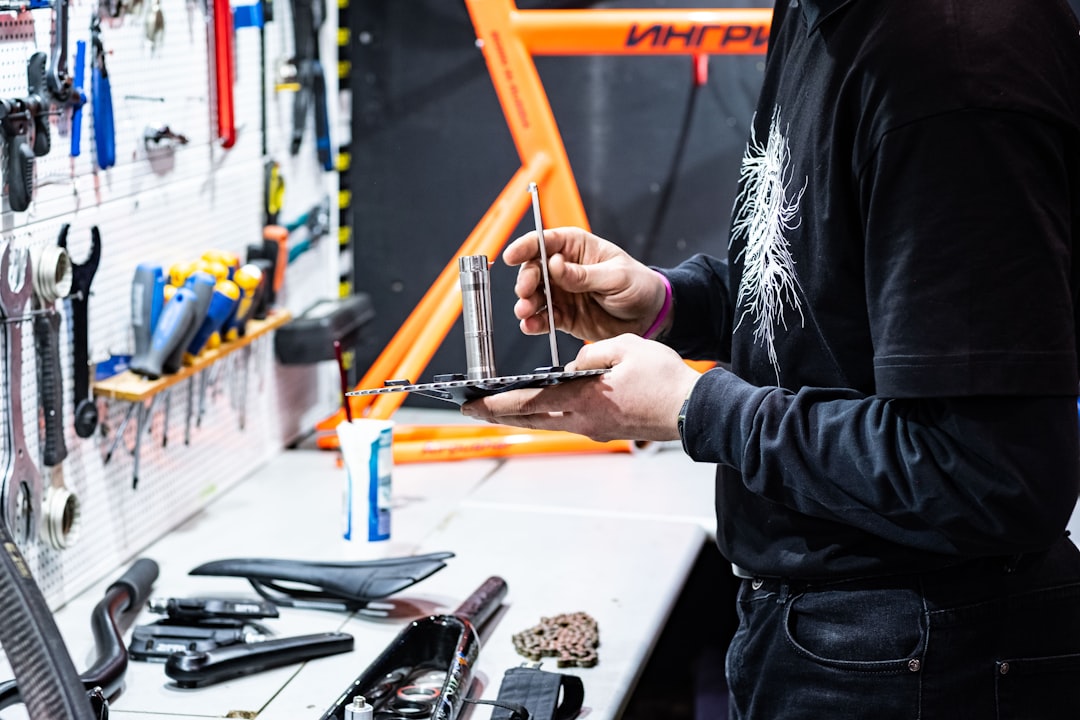
Your responsibility to the customer doesn't end after the sale. A robust after-sales support system is critical for handling warranty claims, repairs, and technical questions. However, this is an area where many OEM factories falter. Vague warranty terms, slow response times, and a lack of available spare parts are common complaints. This challenge is compounded by the fact that many local bike shops refuse to service direct-to-consumer or unfamiliar e-bike brands due to the difficulty in sourcing proprietary parts and the lack of technical support from the manufacturer. Before committing to a large order, clarify the supplier's after-sales process in writing. This should include warranty coverage details, the procedure for handling returns (RMA), and the lead time for critical spare parts like controllers and sensors.
5. Communication Barriers and Cultural Differences
When sourcing from overseas manufacturers, effective communication is paramount. Language barriers and time zone differences can easily lead to misunderstandings regarding product specifications, production timelines, and quality expectations. What might seem like a minor detail in an email could result in a major production error. Building a strong relationship with your supplier requires clear, consistent, and documented communication. Utilize tools like detailed spec sheets, pre-production samples, and regular video calls to ensure everyone is aligned.
6. The Perils of Shipping and Logistics
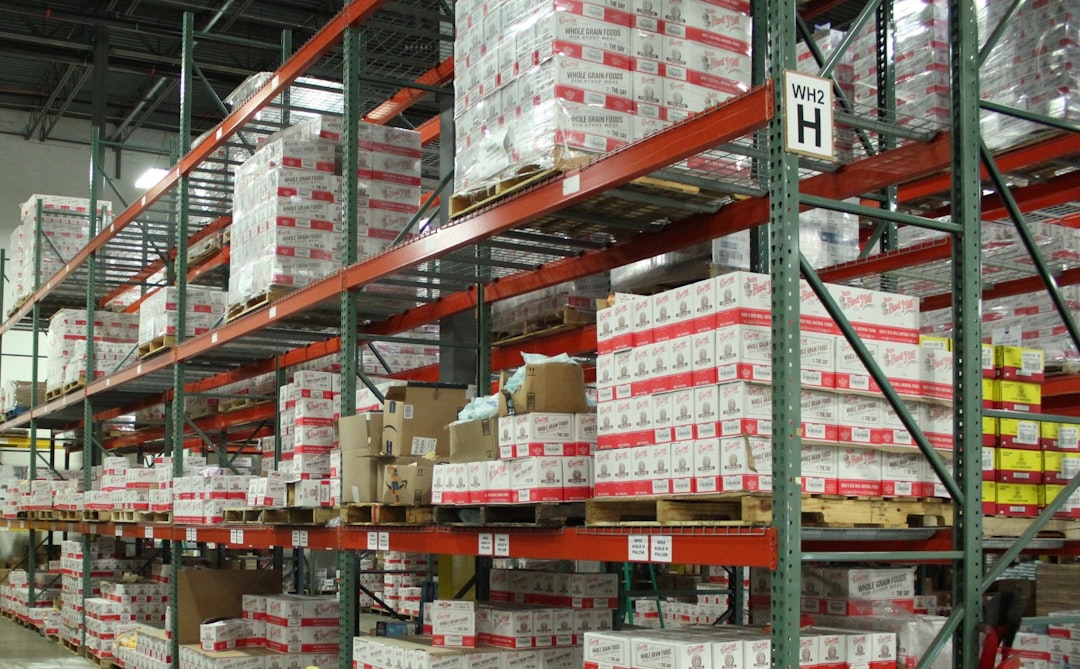
Managing the logistics of international shipping is another complex challenge. Sea freight is the most common method for bulk orders, but it comes with its own set of risks, including potential delays, damage during transit, and complicated customs clearance processes. A single hiccup in the supply chain can leave you without inventory during peak season. A reliable supplier should assist with logistics and provide transparent production schedules. Furthermore, consider hiring a third-party inspection service to verify the quantity and quality of your order before it's shipped. This pre-shipment inspection is a small investment that can save you from major financial losses down the line.
7. Intellectual Property and Brand Integrity
If you're developing a unique e-bike through an Original Equipment Manufacturer (OEM), protecting your intellectual property is a major concern. Sharing proprietary designs with overseas partners without adequate legal protection can lead to your designs being copied and sold to competitors. Always work with reputable manufacturers who have a clear policy on IP protection and ensure you have legally binding agreements in place. Your brand's integrity is on the line with every unit you sell.
8. The Hidden Costs of Poor Quality
Focusing solely on the per-unit cost is a shortsighted strategy. The true cost of an e-bike includes potential expenses related to:
- High defect rates: Requiring costly repairs or replacements.
- Customer returns: Damaging profitability and brand image.
- Warranty claims: Consuming time and resources.
- Product liability: Exposing your business to legal action in case of accidents caused by defects.
A slightly higher upfront cost for a product from a reputable manufacturer with stringent quality control is often a much better investment in the long run.
9. Lack of Local Serviceability
A significant risk, especially for online retailers, is the end-user's ability to get the e-bike serviced. Many direct-to-consumer e-bikes are built with proprietary components that are not readily available to local bike shops. As a result, when a customer has an issue, they may find that no local mechanic is willing or able to perform the repair. This leads to frustrated customers and a damaged brand reputation. Sourcing e-bikes that use standardized, high-quality components from reputable brands like Shimano or SRAM can greatly improve serviceability and customer satisfaction.

10. Building a Resilient E-Bike Business: A Strategic Checklist
Mitigating the risks of e-bike wholesaling requires a proactive and strategic approach. Here is a checklist to guide you:
| Area of Risk | Actionable Mitigation Strategy |
|---|---|
| Supplier Quality | Request and contact past buyer references to inquire about defect rates and support. |
| Product Consistency | Hire a third-party inspection service (like SGS or QIMA) to verify quality before shipment. |
| Financial Security | Negotiate payment terms that avoid 100% upfront payment. Use escrow services. |
| Component Reliability | Demand a detailed Bill of Materials (BOM) & verify the brands of key parts (battery, motor). |
| Safety & Compliance | Require and verify safety certifications (UL 2849 for the system, UL 2271 for batteries). |
| After-Sales Support | Get a written warranty policy detailing the RMA process and spare parts availability. |
| Logistics | Work with suppliers who provide transparent production schedules and logistics support. |
| Serviceability | Prioritize models that use non-proprietary, easily serviceable components. |
By embracing a mindset of diligence and strategic partnership, you can navigate the complexities of the wholesale market. The goal is to build a resilient supply chain that not only delivers a profitable product but also protects your brand's reputation and ensures customer safety and satisfaction for years to come.