Power Up Your Profits: The 2026 Ultimate Guide to Electric Dirt Bike Wholesale
The Ultimate Guide to Electric Dirt Bike Wholesale: Sourcing the Best Models for Your Business in 2026
The off-road world is undergoing a silent revolution. The roar of two-stroke engines is being replaced by the near-silent hum of powerful electric motors. For entrepreneurs and established powersports businesses, this shift represents a monumental opportunity. The global electric dirt bike market is not just growing; it's exploding, with projections showing it will climb from over $8.87 billion to more than $13.41 billion by 2030. This guide provides a comprehensive roadmap for businesses looking to enter or expand their footprint in the lucrative electric dirt bike wholesale market.
1. Why Electric Dirt Bikes Are a Golden Wholesale Opportunity
The surge in demand for electric dirt bikes is fueled by several key factors. Firstly, a growing environmental consciousness among consumers is pushing them towards zero-emission vehicles. Electric bikes are quiet, allowing riders to explore trails without the noise pollution that angers residents and wildlife, which could help keep riding areas open. Secondly, technological advancements, especially in lithium-ion batteries, have made electric bikes more powerful, longer-lasting, and faster to charge than ever before. Models that once offered an hour of fun now boast extended ride times and ranges exceeding 70 miles on a single charge. Finally, the lower maintenance—no oil changes, no spark plugs, no complex engine rebuilds—makes them highly attractive to a broader audience, including beginners and families.
2. Understanding the Market: Key Segments to Target
Success in wholesale begins with understanding your end customer. The electric dirt bike market is not one-size-fits-all. It's segmented by age, skill level, and intended use.
- Youth & Beginner Models: This is a rapidly growing segment. Parents are drawn to the safety and control offered by electric models. These bikes typically have lower power outputs, adjustable speed limiters, and are lighter, making them easier for young or new riders to handle.
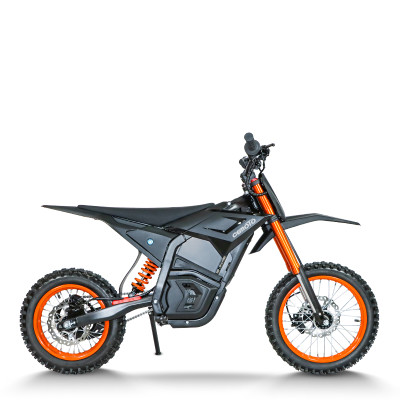
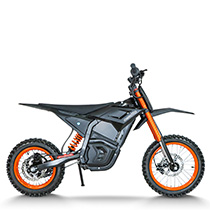
- Trail & Recreational Bikes: This is the core of the market. These bikes balance performance, range, and price. Models like the Sur-Ron series have set a benchmark here, offering a sweet spot of agility and power that appeals to a wide range of weekend warriors.
- High-Performance & Competition Models: For the serious racer and adrenaline junkie, this segment offers bikes that can compete with—and often outperform—their gas-powered counterparts. Bikes like the Stark VARG, with its astonishing 80-horsepower potential and customizable power delivery, are redefining what's possible in motocross and enduro racing.
3. Must-Have Specs: What to Demand from a Wholesale Supplier
When evaluating potential models for your inventory, you need to speak the language of performance. Your ability to compare and contrast technical specifications will determine the quality of your product catalog. Here are the critical points to focus on:
- Motor Type & Power: Look for Permanent Magnet Synchronous Motors (PMSM), which are efficient and powerful. Power is measured in kilowatts (kW); a recreational bike might have 5-12kW, while high-performance models can peak at over 20kW.
- Battery Voltage & Capacity: Voltage (V) impacts torque and acceleration, with 72V systems offering a significant punch. Capacity, measured in Amp-hours (Ah) or watt-hours (Wh), determines range. A larger capacity, like the 3.9 kWh pack on the KTM Freeride E-XC, means longer ride times.
- Frame & Suspension: A lightweight, forged aluminum frame is a sign of quality. For suspension, look for reputable brands like WP or KYB. Adjustable suspension with good travel (e.g., 250mm+) is a major selling point, allowing riders to tune the bike to their weight and the terrain.
- Brakes & Wheels: Hydraulic disc brakes are non-negotiable for safety and performance. Wheel sizes are typically 21-inch front and 18-inch or 19-inch rear for off-road models.
4. Spotlight on In-Demand Models: What Your Customers Want
A successful wholesaler knows the landscape. While you may source white-label products, understanding the benchmarks set by leading brands is crucial.
- Sur-Ron Ultra Bee: This model hits the sweet spot between the nimbler Light Bee and full-size bikes. With a potent 74V system and a peak output of over 20kW, it's known for its incredible power-to-weight ratio.
- KTM Freeride E-XC: Backed by a legacy brand, this bike offers premium build quality, WP XPLOR suspension, and a swappable PowerPack battery. It's a trusted choice for serious enduro and trail riders.
- Stark VARG: A true game-changer, the VARG offers unprecedented customization through a smartphone app, allowing riders to adjust power from a docile 10hp to a staggering 80hp. Its performance has been proven to surpass 450cc gas bikes in drag races.
Understanding why these models are popular helps you identify similar features in the products you source.
5. Building Your Catalog: A Tiered Approach to Inventory
Don't just stock one type of bike. A diversified inventory allows you to cater to a wider customer base and upsell customers as their skills grow.
- Tier 1 (Entry-Level): Focus on affordability, safety features, and ease of use. Target the youth market and first-time adult riders.
- Tier 2 (Mid-Range): This is your volume seller. Offer bikes that deliver a great balance of power, range, and durability for the recreational trail rider.
- Tier 3 (Premium/Performance): Stock a few high-end models to act as halo products. These bikes attract serious enthusiasts and elevate your brand's reputation for quality and performance.
6. Sourcing 101: Finding Reliable Wholesale Partners
Your supplier is your most important partner. Look for manufacturers and distributors that offer:
- Proven Track Record: Do they have a history of producing reliable products? Ask for references and read reviews.
- Technical Support & Spare Parts: This is critical. Without a reliable supply of spare parts (batteries, controllers, tires, brake pads), your retailers will be unable to service their customers. Strong after-sales support is a cornerstone of trust.
- Quality Control: Inquire about their QC process. Are batteries and motors tested before shipping?
- White-Labeling & Branding: Many suppliers offer customization, allowing you to build your own brand. This can be a powerful way to create a unique identity in the market.
7. The Critical Role of Battery Technology
The battery is the heart of any electric dirt bike. As a wholesaler, you must prioritize quality and safety.
- Cell Quality: Inquire about the brand of lithium-ion cells used. Cells from reputable manufacturers (e.g., Samsung, LG, Panasonic) offer better performance and longevity.
- Battery Management System (BMS): A sophisticated BMS is essential for safety. It protects against overcharging, over-discharging, and overheating.
- Charge Cycles: A high-quality battery should be rated for at least 700-1500 charge cycles while retaining a high percentage of its original capacity.
8. Feature Comparison Table for Wholesale Buyers
Use this table as a quick reference when evaluating potential models to add to your wholesale catalog.
| Feature | Entry-Level (Kids/Beginners) | Mid-Range (Recreational) | High-Performance (Pro) |
|---|---|---|---|
| Motor Power (Peak) | 1kW - 5kW | 6kW - 12kW | 18kW+ |
| Voltage | 48V | 60V - 74V | 74V - 400V |
| Battery Capacity | 1 - 2 kWh | 2 - 4 kWh | 4kWh - 6.5kWh+ |
| Top Speed | 20-30 mph | 45-60 mph | 60+ mph |
| Suspension Travel | 150mm - 200mm | 200mm - 250mm | 250mm+ |
| Target Price (Retail) | $1,500 - $3,000 | $3,500 - $6,000 | $9,000+ |
9. Navigating Logistics and Building a Dealer Network
Beyond the product, wholesaling involves complex logistics. Consider shipping costs, import duties, and warehousing. Build a strong dealer network by offering protected territories, marketing support, and excellent B2B service. Your success is tied to your dealers' success, so providing them with training materials and responsive support is key to building loyalty and a strong distribution channel.
10. The Future is Electric: What's Next?
The market is evolving at lightning speed. Future trends include even lighter and more energy-dense batteries, more sophisticated traction control systems, and greater connectivity through mobile apps for tuning and diagnostics. Smart wholesalers will stay ahead of these trends, constantly evaluating new technologies and models to ensure their catalog remains competitive and desirable.
By focusing on quality, understanding the diverse needs of the market, and building strong partnerships, you can establish a thriving wholesale business in one of the most exciting and fast-growing sectors of the powersports industry.