Navigating the Maze: Electric Bike vs. Electric Dirt Bike Regulations You Must Know
Navigating the Maze: Electric Bike vs. Electric Dirt Bike Regulations You Must Know
The world of two-wheeled electric vehicles is booming, but with innovation comes confusion. Riders often use the terms "electric bike" and "electric dirt bike" interchangeably, but in the eyes of the law, they are worlds apart. This distinction is not just semantic; it determines where you can ride, if you need a license, and what equipment is required. Misunderstanding these rules can lead to hefty fines, vehicle confiscation, and serious safety risks. This comprehensive guide will break down the essential regulations, helping you ride with confidence and stay compliant.
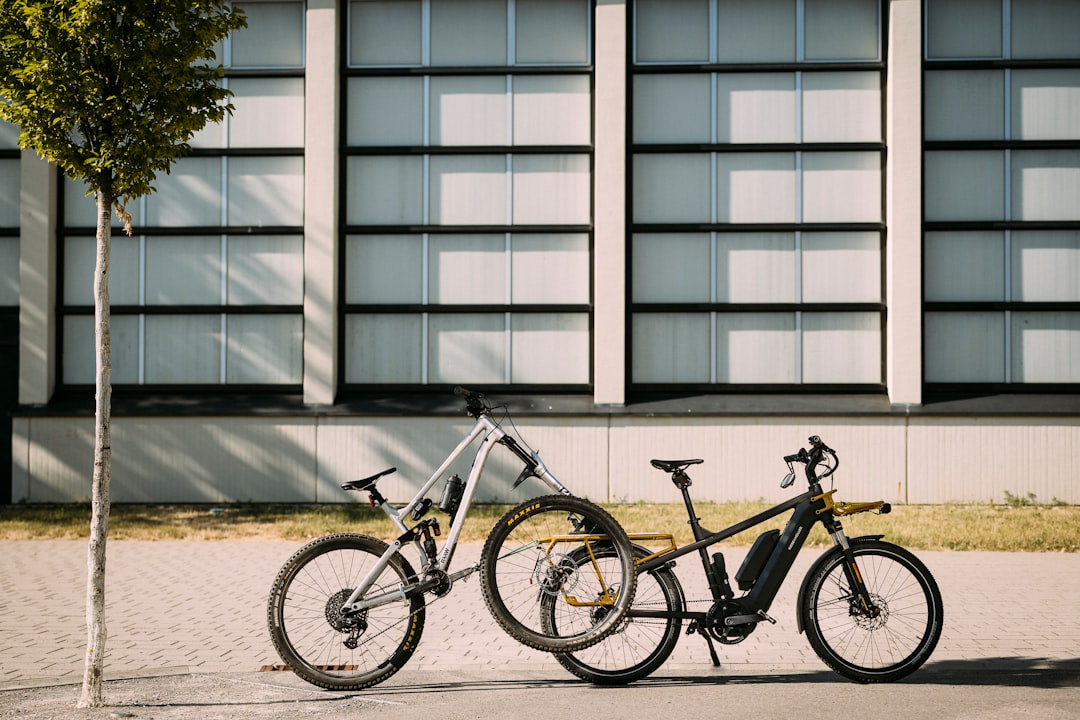
Why Do Regulations for E-Bikes and E-Dirt Bikes Differ So Much?
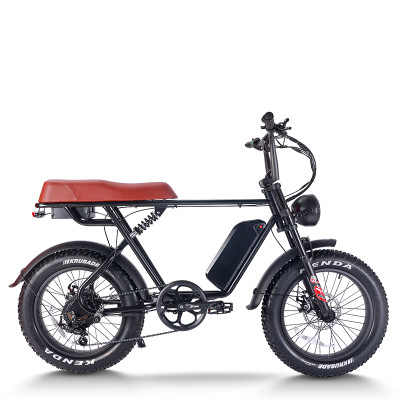
The primary reason for the vast difference in regulations is how these vehicles are classified. An electric bicycle (e-bike) is legally defined and treated as a bicycle, with some extra rules. An electric dirt bike, due to its power and speed, is typically classified as a motor vehicle, similar to a moped or motorcycle. Federal law in the U.S. sets a baseline definition for a "low-speed electric bicycle," but most of the specific rules are left to individual states, creating a patchwork of laws across the country.
Defining the "Electric Bicycle": The Federal 3-Class System
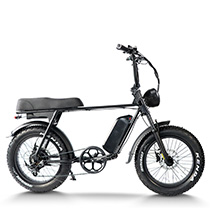
To standardize laws and provide clarity, the majority of U.S. states have adopted a 3-Class system for e-bikes. This system is the cornerstone of e-bike regulation. To even qualify as an e-bike under this system, a vehicle must have functional pedals and an electric motor of 750 watts or less.
- Class 1: Provides assistance only when you are pedaling (pedal-assist) and stops assisting once the bike reaches 20 mph. These are generally allowed wherever traditional bicycles can go.
- Class 2: Features a throttle that can propel the bike without pedaling. The motor assistance also cuts off at 20 mph. Like Class 1, they are usually permitted on most bike paths and trails.
- Class 3: Is pedal-assist only (no throttle) but provides assistance up to 28 mph. Due to their higher speed, Class 3 e-bikes are often restricted from multi-use trails and paths, typically being limited to public roads and on-road bike lanes.
What is an Electric Dirt Bike in the Eyes of the Law?
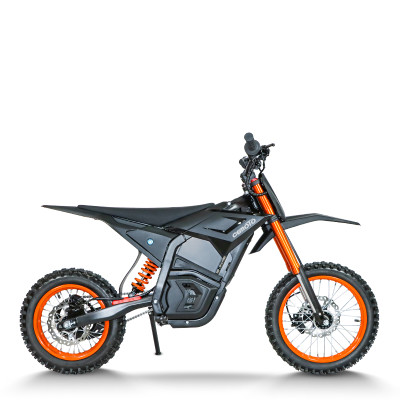
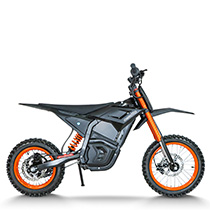
This is where things get complicated. Electric dirt bikes almost never fit into the 3-Class system. They typically exceed the 750-watt motor limit, can travel much faster than 28 mph, and often lack functional pedals. Because of these characteristics, they are not considered "bicycles." Instead, state and local authorities usually classify them as:
- Off-Highway Vehicles (OHVs): This is the most common classification, putting them in the same category as gas-powered dirt bikes and ATVs.
- Motor-Driven Cycles or Mopeds: Some states may classify them as mopeds if they meet certain criteria for speed and power.
- Motorcycles: The most powerful models are simply treated as electric motorcycles.
This reclassification from a bicycle to a motor vehicle is the single most important legal distinction.
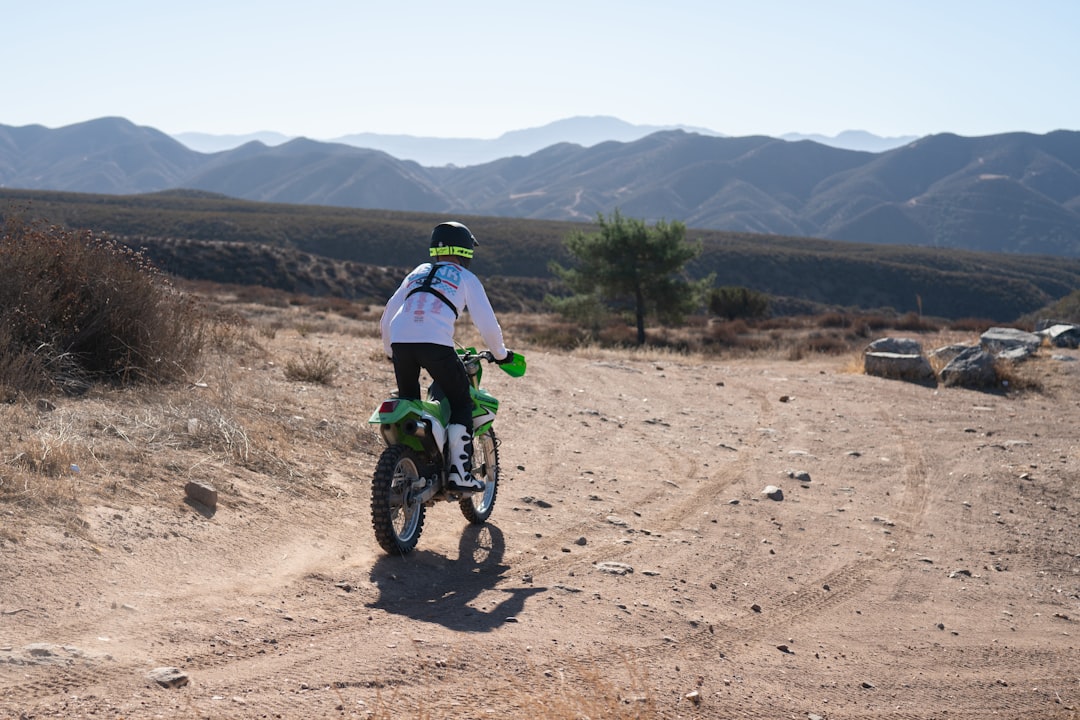
The Power Problem: Watts, Speed, and Legal Classifications
The legal limit of a 750-watt (or 1 horsepower) motor is a firm line between an e-bike and a motor vehicle. While a standard e-bike motor assists a rider, the powerful motors on electric dirt bikes—often ranging from 6,000 to over 30,000 watts—propel the vehicle entirely. This high power output, combined with speeds that can easily top 40-60 mph, places them firmly in the category of motorized vehicles, which are subject to much stricter rules.
Do I Need a License, Insurance, or Registration?
For an e-bike that fits into the 3-Class system, the answer is almost always no. They are treated like traditional bicycles, and you do not need a driver's license, registration, or insurance.
For an electric dirt bike, the answer is almost always yes. Because they are classified as motor vehicles, they are subject to DMV requirements. This typically includes:
- Registration: Registering the vehicle with the DMV, which may involve getting a California "Green Sticker" or similar OHV permit for off-road use.
- License: A valid driver's license with a motorcycle endorsement (M1/M2) is often required.
- Insurance: Liability insurance is mandatory for any vehicle registered for street use.
Street Legal vs. Off-Road Only: Where Can You Ride?
This is the most practical implication of the different classifications. Where you can legally ride is strictly defined.
- E-Bikes (Class 1 & 2): Generally allowed on bike paths, multi-use trails, and public roads where bicycles are permitted.
- E-Bikes (Class 3): Often restricted to on-road bike lanes and public roads, and prohibited from mixed-use trails due to higher speeds.
- Electric Dirt Bikes: Their legal use is almost exclusively limited to private property (with permission) and designated OHV parks or trails. Riding an electric dirt bike on sidewalks, bike paths, or public roads is illegal unless the bike has been fully converted to meet street-legal motorcycle standards and is properly registered and insured.
A Patchwork of Rules: The Crucial Role of State and Local Laws
While the 3-Class system provides a federal framework, the final say always comes down to state and local laws. A bike that is legal in one state might face restrictions in another. For example, some states have stricter wattage limits, while others have specific age requirements for certain classes. Always check the Department of Motor Vehicles (DMV) and local municipal codes in your specific area before you ride. This is non-negotiable for any owner of an electric two-wheeler.
Helmet Laws and Age Restrictions: Staying Safe and Compliant
Helmet laws also vary. For e-bikes, many states have helmet requirements for riders under a certain age (often 18). For Class 3 e-bikes, helmets may be mandatory for all riders. For electric dirt bikes, because they are classified as motorcycles, a DOT-approved motorcycle helmet is almost always required for all ages—a simple bicycle helmet is not sufficient. Age restrictions are also more common for electric dirt bikes, often requiring riders to be at least 16 and licensed.
A Quick Comparison: E-Bike vs. E-Dirt Bike Legal Checklist
| Feature | Standard E-Bike (Classes 1-3) | Electric Dirt Bike |
|---|---|---|
| Classification | Bicycle | Motor Vehicle (OHV, Moped, Motorcycle) |
| Motor Limit | < 750 Watts | Often > 2,000 Watts |
| Pedals Required | Yes, must be functional | Often no pedals, or non-functional ones |
| Top Speed (Assisted) | 20-28 mph | 30-60+ mph |
| License Required? | No | Usually Yes (Motorcycle endorsement) |
| Registration/Insurance? | No | Yes |
| Where to Ride? | Bike paths, roads (class-dependent) | Private Property, designated OHV trails |
| Helmet | Bicycle helmet, age-dependent | DOT-approved motorcycle helmet required |
Modifying Your Bike: A Legal Gray Area
A growing trend is to modify e-bikes to unlock higher speeds or add more power. Be warned: this is a significant legal risk. If you modify a Class 2 e-bike to go 35 mph, it is no longer legally an e-bike. You have created an unregistered motor vehicle, and law enforcement can treat it as such. This can lead to fines, impoundment, and liability in an accident.
Before You Buy: A Rider's Final Checklist
Before purchasing an electric bike or electric dirt bike, ask yourself these critical questions:
- Where do I want to ride? On streets and bike paths, or on rugged dirt trails?
- Does this vehicle fit into the 3-Class E-Bike system? Look for a manufacturer's label stating its class.
- Does the motor exceed 750 watts? If so, it is not an e-bike.
- Am I prepared to get a license, registration, and insurance? If you are buying an electric dirt bike, these are necessary costs and processes.
- Have I checked my local state and city laws? This is the most important step to ensure you are riding legally.
By understanding these key regulatory differences, you can choose the right bike for your needs and enjoy the ride without worrying about breaking the law.