Inside the Machine: How the Electric Bike Manufacturing Industry is Structured
The rapid rise of electric bikes from a niche product to a mainstream mobility solution is a testament to their blend of traditional cycling with modern technology. But behind every sleek e-bike lies a complex and highly structured manufacturing industry. It's a global network of suppliers, specialized factories, and assembly lines working in concert. This article peels back the layers of the e-bike manufacturing process, from a simple idea to a road-ready vehicle.
H2: The Blueprint: Design, Research, and Prototyping
Every e-bike begins as a concept. Designers and engineers conduct market research to identify trends, user needs, and technological opportunities. Using computer-aided design (CAD) software, they create detailed 3D models and initial prototypes. This crucial first step defines the bike's purpose, be it for urban commuting, mountain trailing, or cargo hauling. The frame's geometry, material, and aesthetics are meticulously planned to accommodate the electrical components while ensuring a balanced and safe ride. This iterative process involves refining the design based on simulations and real-world prototype testing before mass production can even be considered.
H2: Sourcing the Core: The Global Component Supply Chain
The e-bike manufacturing process is heavily reliant on a global supply chain. Very few brands manufacture every component in-house. Instead, they source specialized parts from various international suppliers. The supply chain has to navigate challenges like component shortages, cost fluctuations, and logistical disruptions. Building strong, long-term relationships with reliable suppliers is fundamental to ensuring a steady flow of high-quality parts.
H2: Frame Fabrication: The Skeleton of the E-Bike
The frame is arguably the most integral structural component. Most e-bike frames are made from 6061 aluminum alloy or, for high-end models, carbon fiber, chosen for their strength-to-weight ratio. The process starts by extruding raw materials into tubes. These tubes are then shaped using methods like mechanical bending or hydroforming, which uses high-pressure fluid to create complex shapes that enhance strength and allow for integrated batteries. After shaping, tubes are precisely mitered (cut to fit perfectly) and hand-welded in jigs. The welded frames undergo heat treatment to increase their strength and are then rigorously checked for alignment.
H2: The Heart of the Machine: Motor Manufacturing and Integration
The electric motor defines the e-bike. The two primary types are hub motors (in the wheel) and mid-drive motors (at the crank). Their production is a specialized process involving the assembly of a rotor, stator, electronic speed controller, and reduction gears. Companies like Bosch, Shimano, and Bafang are key players who supply these sophisticated drive units to various e-bike brands. These motors are tested for power output, efficiency, and durability before being shipped for final assembly.
H2: Powering the Ride: Battery Pack Assembly and Management
E-bike batteries are typically made of lithium-ion cells. The manufacturing involves sorting individual cells by voltage and capacity to ensure uniformity within a pack. These cells are then assembled into modules, connected in series and parallel, and integrated with a Battery Management System (BMS). The BMS is a critical electronic circuit that protects the battery from overcharging, over-discharging, and overheating, ensuring both safety and longevity. The finished pack is encased in a durable, often waterproof, housing.
H2: The Supporting Cast: Brakes, Drivetrain, and Wheels
In parallel with the electronic components, mechanical parts are also being sourced or manufactured. This includes:
- Braking Systems: Hydraulic disc brakes are now the standard for quality e-bikes, providing reliable stopping power.
- Drivetrains: This includes the chain or belt, cranks, pedals, and gears. While traditional chains are common, low-maintenance belt drives are gaining popularity for urban models.
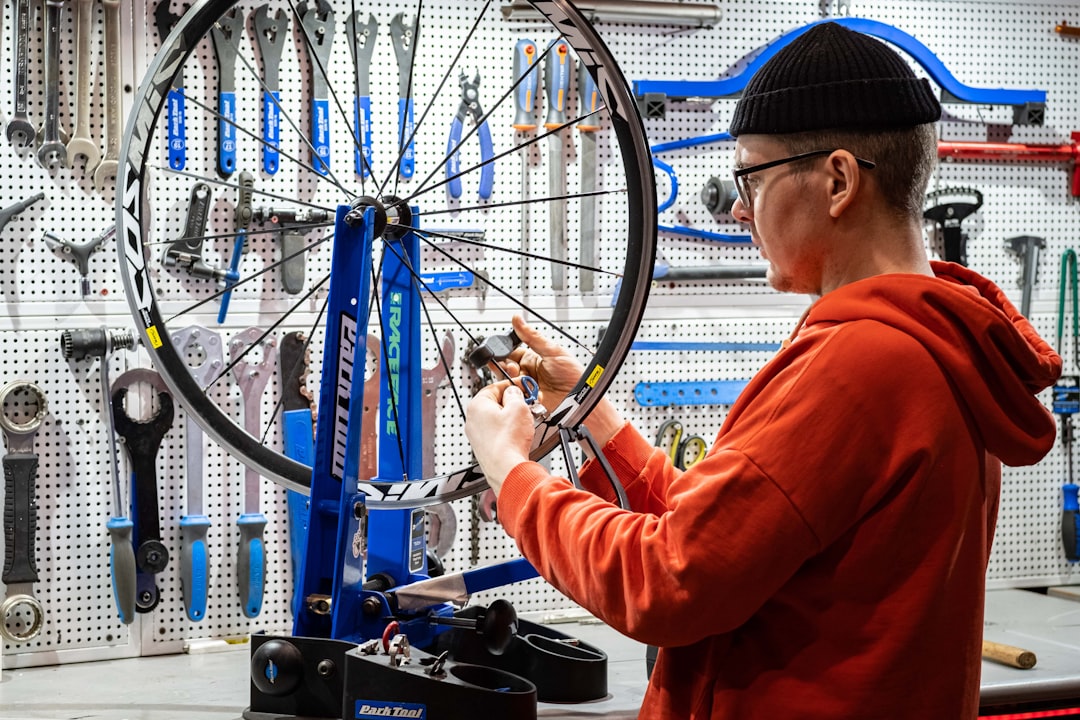
- Wheels: Rims are laced with spokes to the hubs (or hub motor), and then the wheel is 'trued' to ensure it is perfectly straight. Tires appropriate for the bike's intended use are then fitted.
H2: The Assembly Line: Bringing It All Together
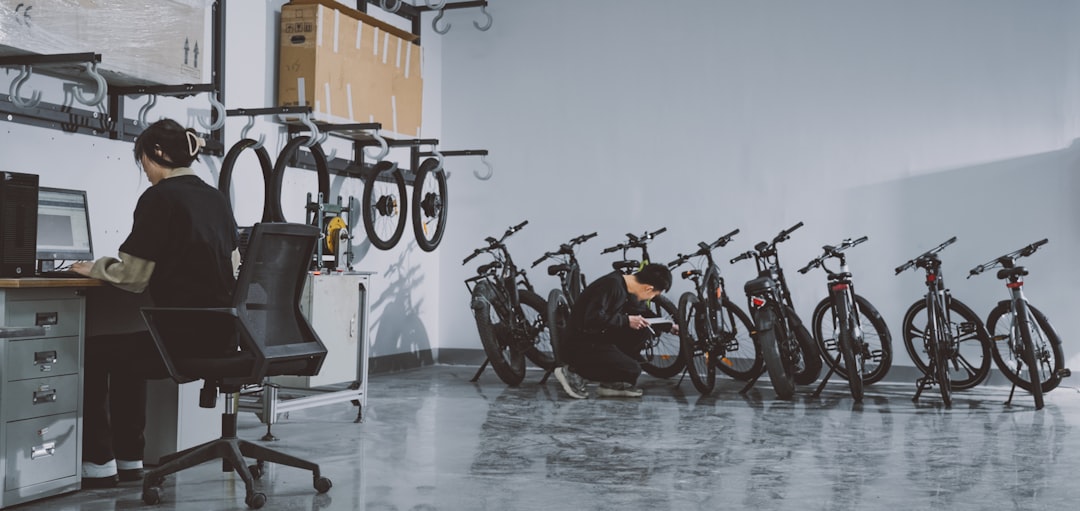
This is where the individual components converge to become an e-bike. Modern factories operate on a process-driven assembly line. Frames move from one station to the next, where specialized technicians perform specific tasks:
- Component Integration: The motor, battery housing, and wiring harnesses are installed into the frame.
- Mechanical Assembly: The fork, handlebars, wheels, drivetrain, and brakes are mounted.
- Electronic Connection: The controller, display, and sensors are connected and calibrated.
- Finishing Touches: The seat, pedals, lights, and any accessories are added.
H2: Quality Control and Testing: Ensuring Safety and Reliability
Rigorous quality control (QC) is performed at multiple stages. Raw materials are inspected upon arrival. Frames are tested to international standards (like ASTM) for fatigue and impact resistance. After assembly, every single e-bike undergoes a final inspection. This includes checking that all bolts are torqued correctly, brakes and gears are perfectly adjusted, and the electrical system is fully functional. A test ride or a dynamometer test often completes the process to ensure flawless performance before packaging.
H2: OEM vs. ODM: Understanding the Business Models
The industry operates on two primary business models:
- OEM (Original Equipment Manufacturer): A brand designs the e-bike and contracts a factory to build it to their exact specifications. The brand owns the design. Most well-known bike brands (like Trek, Specialized) operate this way, sourcing components from suppliers like Shimano or Bosch and having frames made and assembled by large manufacturers like Giant or Merida.
- ODM (Original Design Manufacturer): A factory designs and manufactures a product that is then rebranded and sold by other companies. Many affordable e-bike brands use the ODM model, selecting a pre-designed 'white-label' bike and customizing it with their own branding and minor tweaks.
| Business Model | Design Ownership | Manufacturing Control | Common Use Case |
|---|---|---|---|
| OEM | The Brand | Brand specifies, factory executes | Established brands with unique designs |
| ODM | The Factory | Factory offers pre-designed options | New or cost-focused brands |
H2: Painting, Branding, and Packaging
Before final assembly, frames go through a sophisticated painting process. This involves surface preparation, priming, multiple color coats in an automated paint booth, and the application of decals. Finally, several layers of clear coat are applied to protect the finish. After passing the final QC, the e-bike is partially disassembled for shipping (e.g., front wheel and pedals removed), carefully protected with foam and cardboard, and placed in a shipping box, ready for its journey to a retailer or directly to the customer.
H2: The Future of E-Bike Manufacturing
The industry is constantly evolving. Key trends shaping its future include greater automation and robotics in assembly, the development of more sustainable battery materials and recycling processes, and the integration of smart, connected technologies using AI and IoT. As demand grows, manufacturers will continue to optimize their supply chains and production processes to build more efficient, reliable, and innovative electric bikes.