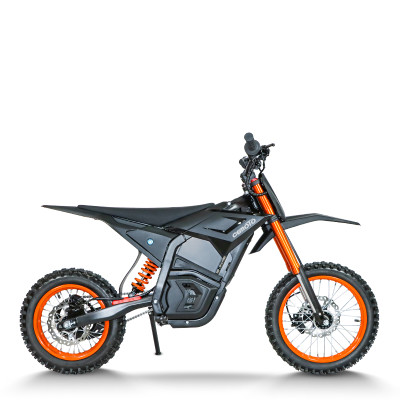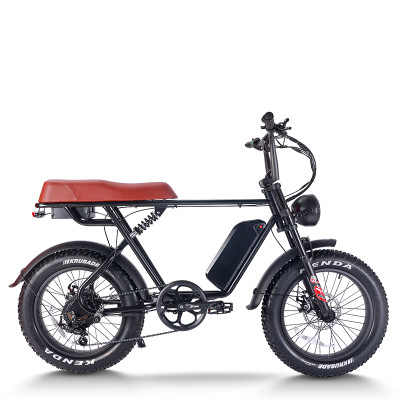
How to Evaluate Electric Dirt Bike Factory Production Capacity and Delivery Reliability: A B2B Sourcing Playbook
Table of Contents
You've found what looks like a promising electric dirt bike manufacturer. The specs look competitive, the pricing is attractive, and the factory tour video seems impressive. But before you sign an OEM contract, there's one question that will determine whether your partnership succeeds or fails: can this factory actually deliver at the scale and speed you need?
Production capacity and delivery reliability are the backbone of any successful manufacturing partnership. For wholesale buyers, distributors, and fleet operators, inconsistent deliveries don't just mean disappointed end customers — they mean lost market share, damaged reputation, and supply chain chaos. This playbook gives you a structured framework for evaluating an electric dirt bike factory's true production capability, beyond the marketing brochures.
Why Production Capacity Matters More Than Unit Price
In the early stages of sourcing, it's natural to focus on per-unit cost. But consider this scenario: you secure a deal with a factory offering the lowest price in the market, only to discover six months later that they simply cannot produce the volume you require. You're now stuck — either paying a premium for expedited production elsewhere, or losing sales to competitors who kept their shelves stocked.
Production capacity isn't just about maximum output; it's about consistent, reliable output that matches your order cycles, seasonal demands, and growth trajectory. A factory that consistently delivers 80% of its quoted capacity is often more valuable than one that quotes 200% but struggles to hit 50%.
Key Indicators of Genuine Production Capacity
1. Actual Assembly Line Throughput
Don't rely solely on the factory's stated monthly output figures. Instead, ask for and verify:
- Daily assembly line rate: How many complete electric dirt bikes roll off the line per shift?
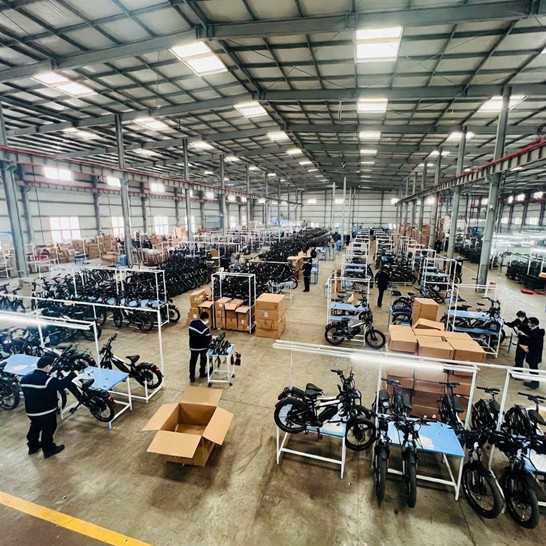
- Number of active lines: A factory with three parallel assembly lines has inherently more flexibility than one with a single line.
- Shift patterns: Do they run one shift, two shifts, or continuous operation? More shifts typically indicate higher capacity readiness.
- Line balancing efficiency: Are all stations in the assembly process balanced, or does one bottleneck station limit overall throughput?
A reputable factory will willingly share production data and even arrange a live factory floor walkthrough during your audit visit. Be wary of factories that deflect these questions or insist on sharing only polished case studies.
2. Supply Chain Depth and Component Inventory
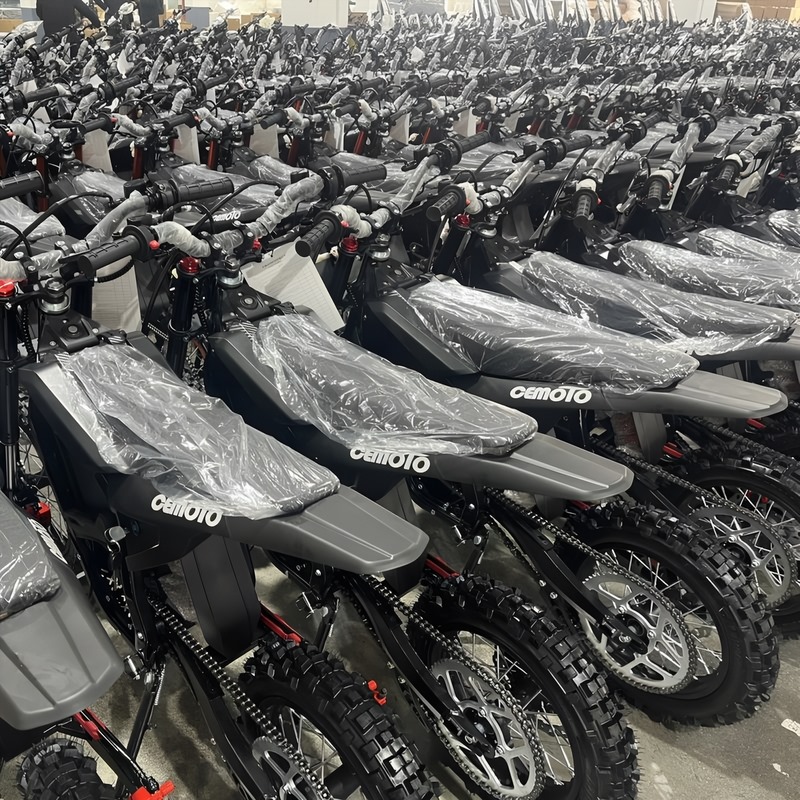
An electric dirt bike is made up of dozens of components — motors, batteries, controllers, frames, suspension systems, brakes, tires, electronics, and fasteners. A factory's ability to maintain steady production depends entirely on its supply chain resilience.
Battery sourcing — A strong signal is direct partnerships with major cell manufacturers and maintaining buffer stock. Warning sign: relying on spot-market purchases with no backup suppliers.
Motor procurement — Look for in-house motor winding or long-term contracts with tier-1 motor makers. Avoid factories that source from multiple unknown suppliers with no volume commitment.
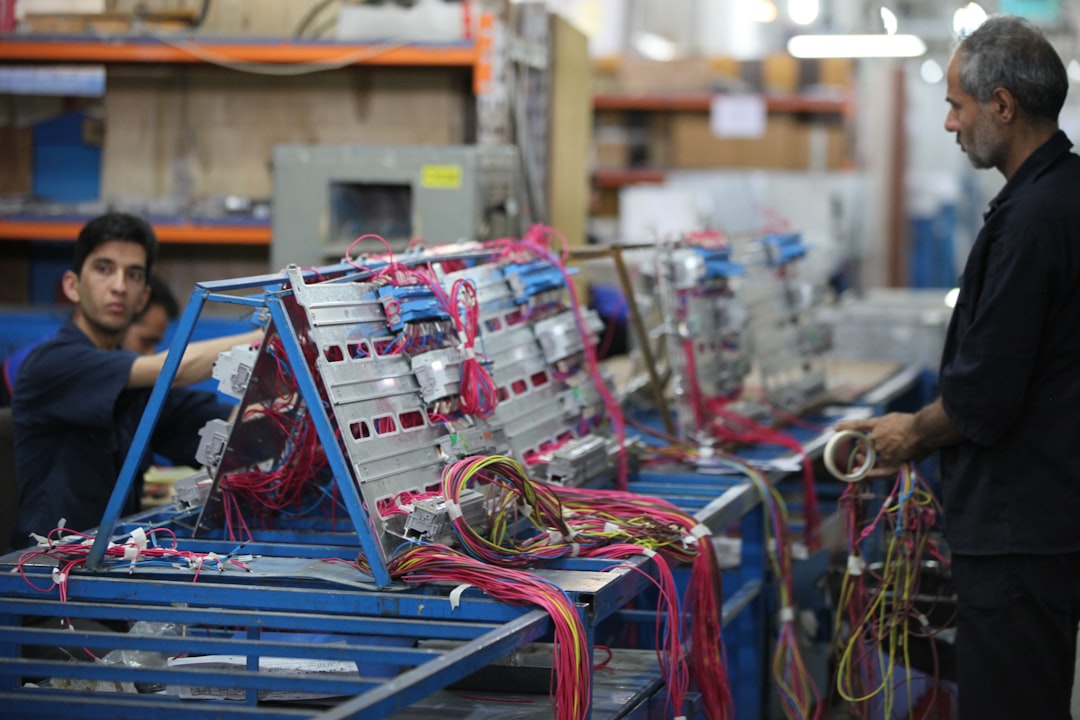
Frame & weld quality — A dedicated welding workshop with CNC cutting and consistent QC records is ideal. Outsourcing all frame work with inconsistent weld quality is a red flag.
Component lead times — Standard components should be available within 3–5 days with critical parts buffered. If every component requires 30+ day waits with no inventory strategy, that's a problem.
3. Quality Control Infrastructure
High production capacity means nothing if a significant percentage of units fail quality checks and require rework. A mature factory treats quality control as an integrated part of the production flow, not an afterthought.
Look for these QC indicators:
- Incoming material inspection (IQC): Every batch of components — especially batteries and motors — should be tested before entering the warehouse.
- In-process quality control (IPQC): Key checkpoints along the assembly line where inspectors verify torque values, electrical connections, brake adjustments, and cosmetic standards.
- Final random inspection (FRI): Statistical sampling of completed bikes against a defined quality checklist before packaging.
- Road testing protocol: A sample of each production batch should undergo real-world riding tests covering acceleration, braking, hill climbing, and range verification.
- Defect tracking system: The factory should maintain a database of recurring defects and demonstrate closed-loop corrective actions.
4. Proven Order Fulfillment Track Record
The most reliable indicator of a factory's delivery capability is its history of fulfilling orders on time. During your supplier evaluation, request:
- On-time delivery rate over the past 12 months: A strong factory will report 90%+ on-time delivery.
- Recent reference accounts: Speak with current international clients about their ordering experience, lead times, and communication quality.
- Seasonal handling examples: Ask how the factory manages peak-season surges. Can they scale up production by 30–50% during high-demand periods?
- Problem resolution cases: When delays or quality issues occurred, how did the factory respond? Were remedies communicated proactively?
Evaluating Scalability for Growing Businesses
Your sourcing needs will evolve. A distributor starting with 500-unit orders may soon need 2,000-unit shipments to meet market demand. Your factory partner needs to grow with you, not become a bottleneck.
Scalability Assessment Checklist:
- Factory expansion plans: Is the facility currently operating at near-full capacity? Does the factory have plans to add lines or expand the building?
- Workforce stability: High employee turnover rates directly impact production consistency. Ask about average tenure and training programs for new assembly workers.
- Technology investment: Factories investing in automated welding, CNC machining, and digital production management systems are better positioned to scale efficiently.
- Financial health: A financially stable factory can invest in equipment, hire skilled workers, and absorb raw material price fluctuations without compromising your orders.
Red Flags That Signal Delivery Risk
Even experienced buyers can overlook warning signs. Here are common red flags that suggest a factory may struggle with production capacity or delivery reliability:
- Vague answers about production metrics: If the factory cannot provide specific numbers about daily output, line count, or QC pass rates, take note.
- No dedicated project manager: International orders require a point person who coordinates between sales, production, QC, and logistics. Factories without this role often experience communication breakdowns.
- Overpromising during negotiations: A factory that guarantees unrealistically short lead times (e.g., 15 days for 1,000 units) may be setting itself up for failure.
- Refusal to allow unannounced audits: Confidence in production capability means welcoming transparency. Resistance to surprise visits suggests something to hide.
- Multiple small clients, few large ones: A factory that serves mostly micro-orders may lack the systems and discipline required for serious OEM partnerships.
Building a Partnership, Not Just a Transaction
The most successful electric dirt bike sourcing relationships go beyond price negotiation. They're built on mutual trust, transparent communication, and shared growth goals. When evaluating a potential OEM partner, think long-term:
- Visit the factory in person: Nothing replaces seeing the production floor, meeting the team, and assessing operations firsthand.
- Start with a trial order: Before committing to a large contract, place a smaller test order to evaluate actual performance against promises.
- Establish clear SLAs: Define delivery timelines, quality standards, defect response procedures, and penalty clauses in your contract.
- Maintain regular communication: Monthly production updates, quarterly business reviews, and open channels for issue escalation build partnership strength.
Conclusion: Capacity Evaluation Is an Ongoing Process
Evaluating an electric dirt bike factory's production capacity and delivery reliability isn't a one-time checkbox exercise. It's an ongoing due diligence process that should continue throughout your partnership. Markets change, supply chains shift, and both parties evolve. Regular audits, open dialogue, and data-driven performance reviews ensure your manufacturing partner continues to meet your growing needs.
By applying the frameworks and checklists in this playbook, you'll be equipped to make informed decisions about which factories deserve your business — and which ones might promise the world but fall short when it matters most. In the competitive world of electric dirt bike distribution, your supply chain reliability is your competitive advantage. Choose wisely.