Electric Dirt Bike vs. E-Bike Regulations: A Rider's Guide to Staying Legal
Is It a Bicycle or a Motor Vehicle? The Core Legal Distinction
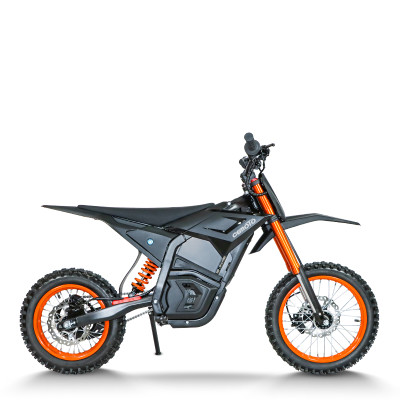
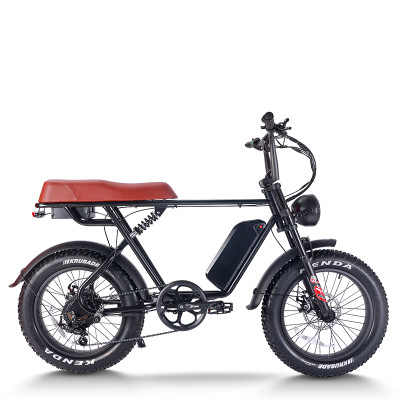
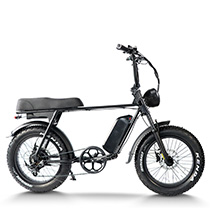
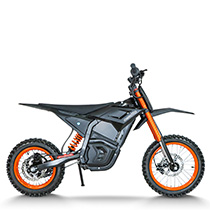
The line between a standard electric bicycle (e-bike) and an electric dirt bike is often blurry, but in the eyes of the law, the differences are sharp and significant. An e-bike, as federally defined in the U.S., must have functional pedals and a motor of less than 750 watts, with speed assistance limits. Conversely, electric dirt bikes often lack pedals, possess more powerful motors, and can achieve higher speeds, placing them in a completely different legal category. Most states classify electric dirt bikes not as bicycles, but as off-highway vehicles (OHVs), motor-driven cycles, or even motorcycles. This reclassification has major implications for where you can ride, what gear you need, and the paperwork required.
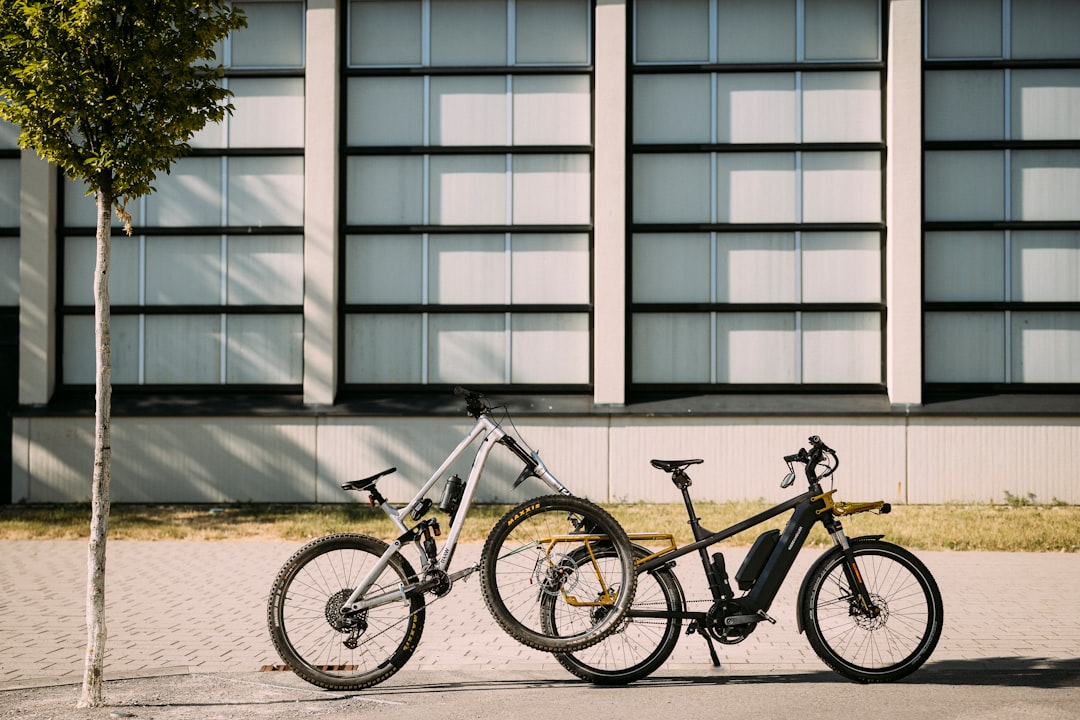
Decoding the 3-Class System for E-Bikes
To standardize laws, most states have adopted a three-class system for e-bikes. This system is crucial because it often determines where you can legally ride. Understanding these classes is the first step to knowing your rights and limitations.
- Class 1: These e-bikes provide assistance only when you pedal (pedal-assist) and stop assisting at 20 mph. They are typically allowed wherever traditional bicycles are.
- Class 2: These models have a throttle and can propel the bike without pedaling, but assistance also cuts out at 20 mph. They are generally permitted in the same places as Class 1 bikes.
- Class 3: These are pedal-assist only (some may have throttles limited to 20 mph) with a higher maximum assisted speed of 28 mph. Because of their speed, Class 3 e-bikes often face more restrictions, with many states prohibiting them from multi-use paths and trails.
How are Electric Dirt Bikes Classified?
Unlike the clear-cut e-bike classes, electric dirt bikes fall into a legal gray area. Since they often exceed the 750-watt power limit, surpass the 20 mph speed cap without pedaling, or lack pedals entirely, they are not considered "low-speed electric bicycles" under federal law. Instead, state and local authorities typically classify them as:
- Off-Highway Vehicles (OHVs): This is the most common classification, lumping them in with gas-powered dirt bikes and ATVs.
- Motor-Driven Cycles or Mopeds: In some states, if the bike's speed and power fall within a certain range, it might be classified as a moped, which comes with its own set of rules.
- Motorcycles: High-power models that can reach significant speeds are often treated as full-fledged motorcycles, requiring a motorcycle license, registration, and insurance.
Do You Need a License for an Electric Dirt Bike?
For standard Class 1 and 2 e-bikes, the answer is almost always no—you do not need a driver's license. However, for electric dirt bikes, the answer is almost always yes. Because they are classified as motor vehicles, some form of licensure is typically required. This could be a standard driver's license, a motorcycle endorsement, or a specific moped license, depending on your state's regulations and how the bike is classified. For example, some states may require a moped license for bikes that meet certain speed criteria, while more powerful models will demand a full motorcycle license.
On-Road vs. Off-Road: Where Can You Legally Ride?
This is where the distinction becomes most important. E-Bikes (Classes 1 and 2) are generally allowed on bike paths, bike lanes, and roads. Class 3 e-bikes are typically restricted to roads and bike lanes only.
Electric dirt bikes, however, are primarily intended for off-road use. In most cases, it is illegal to ride an electric dirt bike on public roads, sidewalks, or standard bicycle paths. Their legal playground is confined to:
- Designated Off-Highway Vehicle (OHV) parks.
- Private property (with the owner's permission).
- Specific trails or public lands explicitly marked for motorized vehicle use.

Making an Electric Dirt Bike Street Legal
Is it possible to ride your electric dirt bike on the street? Sometimes, but it's not a simple process. To make an electric dirt bike street legal, you must typically add a variety of equipment to meet Department of Transportation (DOT) and state requirements. This often includes:
- Headlight, taillight, and brake light
- Turn signals
- Mirrors
- A horn
- DOT-approved tires
- A license plate mount
You would then need to go through a state-specific process of inspection, registration, and titling, which can be complex and varies significantly by state. Some manufacturers offer street-legal versions from the factory, which simplifies this process immensely.
Registration, Titling, and Insurance Requirements
Standard e-bikes do not require registration, a title, or insurance. Electric dirt bikes, being classified as motor vehicles, almost always do. If you plan to ride your electric dirt bike legally, even just in OHV parks, you will likely need to register it with your state's DMV or equivalent agency. If you want to make it street legal, you will also need a title and must carry liability insurance, just like you would for a car or motorcycle.
A Quick Comparison: E-Bike vs. Electric Dirt Bike
| Feature | Standard E-Bike (Classes 1-3) | Electric Dirt Bike |
|---|---|---|
| Primary Classification | Bicycle | Off-Highway Vehicle (OHV) |
| Federal Power Limit | < 750 Watts | Often > 750 Watts |
| Pedals Required? | Yes | Often No |
| License Required? | Generally No (except some Class 3) | Almost Always Yes |
| Registration Required? | No | Yes |
| Street Use? | Yes, on roads and bike lanes | No, unless modified and registered |
| Trail Access | Allowed on many bicycle paths | Restricted to motorized/OHV trails |
Age and Safety Gear Regulations
Safety regulations also differ. For e-bikes, helmet laws vary by state and often depend on the rider's age and the e-bike's class. For example, many states require helmets for Class 3 riders and anyone under 18.
For electric dirt bikes, the rules are stricter. Because they are considered motor vehicles capable of higher speeds, DOT-approved motorcycle helmets are often mandatory for all riders, regardless of age. Additionally, states may have minimum age requirements to operate an OHV, and youth riders may need to complete a safety course and be under adult supervision.
The Golden Rule: Always Check Local Laws
While federal guidelines provide a baseline, the most important regulations are set at the state, county, and even city level. What is legal in one state, like California, may be different in Texas or Florida. Before you ride, the single most important step is to check the specific vehicle codes and land use rules for your location. A quick visit to your local DMV website or a call to the land management agency (like the Bureau of Land Management or State Parks department) can save you from a hefty fine or having your bike impounded. Never assume—always verify.