Electric Dirt Bike Certifications Explained: A Complete 2026 Guide to DOT, ECE, & FIM Rules
Your Guide to Electric Dirt Bike Rules: From Trail to Tarmac
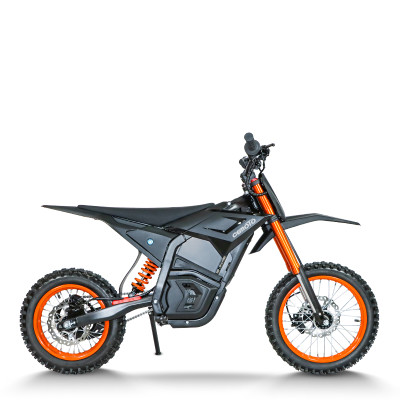
Electric dirt bikes offer a thrilling, silent, and powerful alternative to their gas-guzzling cousins. But as they transition from private trails to public roads, a complex web of rules and certifications comes into play. Understanding these standards is no longer just for manufacturers; it's crucial for every rider who wants to ensure their bike is safe, compliant, and legal. This comprehensive guide will demystify the key certifications and requirements governing electric dirt bikes in 2026.

What's the Difference Between Street-Legal and Off-Road Only?
Most electric dirt bikes are sold as "off-road only" vehicles by default. This means they are designed and built exclusively for use on private land and designated trails. They typically lack the necessary safety equipment required for public roads. A "street-legal" bike, on the other hand, is either manufactured to meet specific national safety standards or has been modified by the owner to comply with them. This legal status allows the bike to be registered, insured, and ridden on public streets alongside other traffic. The distinction isn't just about appearance; it's about documented compliance with government regulations.
DOT Certification: The Gold Standard for US Road Legality
In the United States, the Department of Transportation (DOT) sets the Federal Motor Vehicle Safety Standards (FMVSS). For an electric dirt bike to be street legal, its components must be DOT-compliant. This isn't a single certificate for the bike but a collection of approvals for individual parts. Key requirements include:
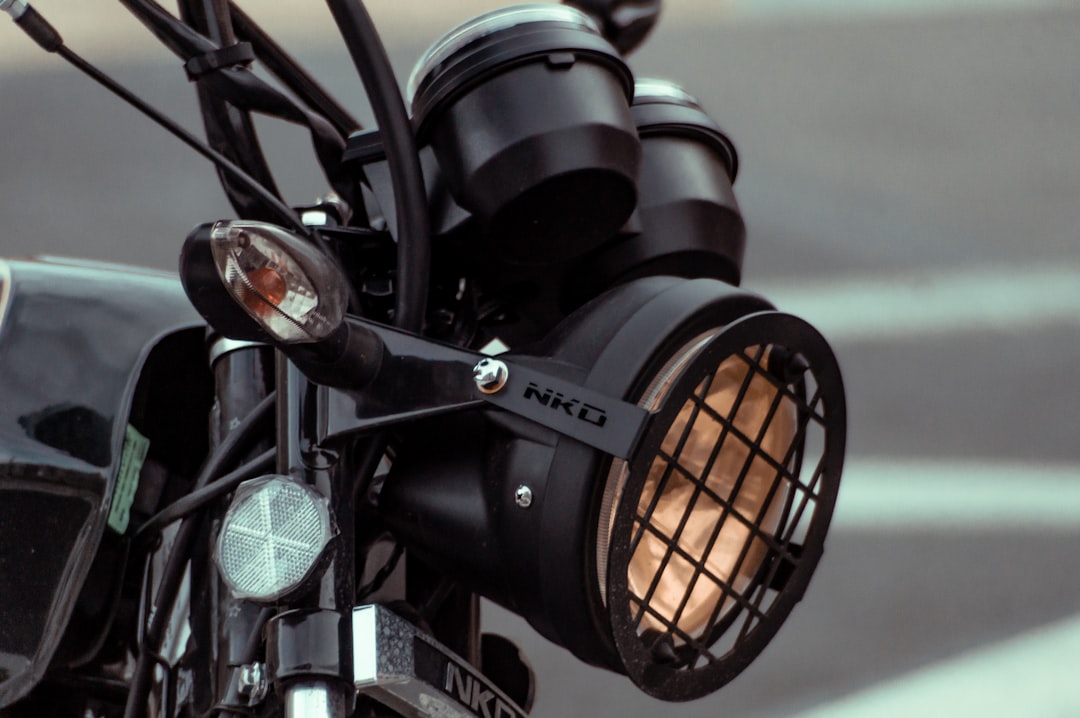
- Lighting: DOT-approved headlights (with high/low beams), tail lights, brake lights, and turn signals are mandatory. These ensure you are visible to others and can signal your intentions.
- Tires: Off-road knobby tires are generally not DOT-approved for paved roads. Street-legal bikes must be fitted with tires that meet DOT standards for grip, durability, and performance on asphalt.
- Mirrors & Horn: At least one rearview mirror (typically on the left side) and an audible electric horn are required for awareness and safety.
- VIN and MCO: A Vehicle Identification Number (VIN) is essential for registration. Manufacturers provide a Manufacturer's Certificate of Origin (MCO), which is the document you take to the DMV to apply for a title and license plate.
Without these components, your bike remains legally restricted to off-road use, and riding it on the street can lead to fines or impoundment.
ECE and COC: Your Passport to European Roads
For riders in Europe, the key certifications are issued by the United Nations Economic Commission for Europe (UNECE). An "EEC" (European Economic Community) approval mark and a Certificate of Conformity (COC) are necessary for a vehicle to be registered in any EU member country.
This framework ensures a consistent standard of safety and quality across the continent. Instead of separate national approvals, a bike with a COC is recognized EU-wide.
ECE R136: The Critical Standard for Battery Safety
The rise of electric vehicles has brought battery safety into sharp focus. ECE R136 is a crucial UN regulation specifically for the Rechargeable Energy Storage Systems (RESS) in L-category vehicles, which includes electric motorcycles. This certification addresses severe risks such as:
- Thermal runaway and fire
- Overcharging and short circuits
- Mechanical shock from impact or vibration
- Protection against water and dust (IP rating)
As of September 2025, stricter rules, including a mandatory overcurrent test, will be enforced for all new certifications, pushing manufacturers to build even safer battery management systems (BMS). A bike with an ECE R136 certified battery gives the rider confidence that the power pack has undergone rigorous testing against critical failure modes.
FIM Regulations: Certifying for the Racetrack
For those looking to compete, the Fédération Internationale de Motocyclisme (FIM) sets the rules. The FIM has recently introduced regulations to allow electric dirt bikes to compete alongside traditional internal combustion bikes in events like the World Supercross Championship. These rules, known as the Equivalence of Technologies / Balance of Performance (EOT/BOP), are designed to ensure fair competition. Key FIM technical regulations address:
- Minimum Weight: To ensure parity, electric bikes may need to add ballast to meet weight requirements.
- Maximum Power: Battery power output is capped to align with the performance of 250cc or 450cc gas engines.
- Safety Features: Regulations mandate specific electrical safety measures, such as insulated high-voltage wiring, and visual indicators (LED lights) to show the bike's electrical status (e.g., safe, live, or charging).
These FIM rules are pioneering a new era where two different propulsion technologies can battle head-to-head on a level playing field.
Making Your Off-Road Bike Street Legal: A Checklist
Converting an electric dirt bike for road use is a popular project, but it requires careful attention to detail. Success depends on navigating both the hardware upgrades and the paperwork.
| Component | Requirement | Why It's Important |
|---|---|---|
| Lighting | DOT/ECE approved Headlight, Taillights, Brake lights, Turn Signals | Visibility and signaling to other road users. |
| Tires | DOT/ECE approved for street use | Proper grip and safety on paved surfaces. |
| Mirrors | At least one rearview mirror | Awareness of traffic behind you. |
| Horn | Audible electric horn | Alerting pedestrians and other drivers. |
| License Plate Mount | A secure and visible mount for the license plate | Required for legal registration and identification. |
| Speedometer | Required in some jurisdictions | Monitoring your speed to comply with traffic laws. |
| VIN/MCO | Vehicle Identification Number and Manufacturer's Certificate of Origin | Essential for DMV registration and titling. |
The Classification Dilemma: E-Bike, Moped, or Motorcycle?
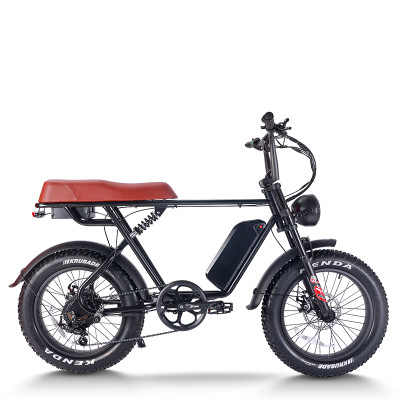
One of the biggest sources of confusion is how your bike is classified. In the U.S., federal law has a 3-class system for "electric bicycles," typically limited to 750W of power and a top speed of 28 mph. Most high-performance electric dirt bikes easily exceed these limits and therefore do not qualify as simple e-bikes.
Instead, they often fall into the category of a "moped" or "motor-driven cycle." This classification can be an advantage, as registration requirements are sometimes simpler and may not require a full motorcycle license, though a standard driver's license is usually necessary. Always check your local state laws, as definitions vary widely.
The Importance of Licensing and Insurance
Once your electric dirt bike is classified as a motor vehicle (moped or motorcycle), you must meet the same legal obligations as any other road user. This includes:
- License: Depending on the classification and state law, you may need a standard driver's license or a full motorcycle (Class M) endorsement.
- Registration: You must register your vehicle with the local DMV or equivalent authority.
- Insurance: Liability insurance is mandatory in most states and countries to cover potential damages or injuries.
Beyond the Bike: Rider Safety Certifications
Your bike isn't the only thing that needs to be certified. Your personal protective equipment (PPE) is just as critical. A helmet is the most important piece of safety gear. Always choose a helmet that is DOT-certified (in the US) or ECE-certified (in Europe). These certifications ensure the helmet has been tested to withstand significant impact and protect you in a crash. For speeds above 30 mph, a full-face helmet is strongly recommended.
Conclusion: Ride with Confidence and Compliance
Understanding electric dirt bike certifications is key to unlocking the full potential of your ride, whether you're shredding trails, commuting to work, or competing on the track. By ensuring your bike complies with DOT or ECE standards, verifying its battery safety with ECE R136, and using proper FIM-regulated gear for racing, you can ride with confidence. Remember to always check your local laws, complete the necessary paperwork, and prioritize safety above all else. A certified, legal, and safe bike is the best way to enjoy the electric revolution on two wheels.