Electric Dirt Bike Certification: Your Ultimate Guide to Getting Street Legal
Your Guide to Electric Dirt Bike Rules: From Trail to Tarmac
Electric dirt bikes offer a thrilling, silent, and powerful alternative to their gas-guzzling cousins. But as they transition from private trails to public roads, a complex web of rules and certifications comes into play. Understanding these standards is no longer just for manufacturers; it's crucial for every rider who wants to ensure their bike is safe, compliant, and legal. This comprehensive guide will demystify the key certifications and requirements governing electric dirt bikes.

What Exactly is Electric Dirt Bike Certification?
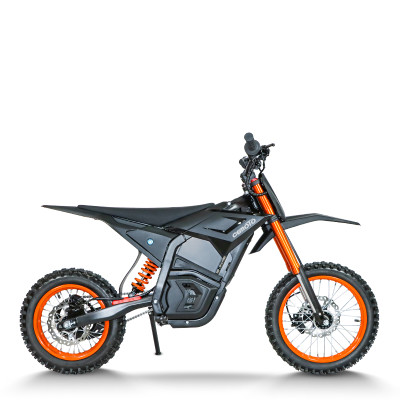
Certification isn't a single sticker you put on your bike. It's the entire process of proving your electric dirt bike meets the safety and administrative requirements to be legally operated on public roads. Most electric dirt bikes are sold as "off-road only" vehicles. This means they are designed exclusively for use on private land and designated trails, lacking the necessary equipment for street use. A "street-legal" or certified bike, on the other hand, is either manufactured to meet national safety standards from the start or has been modified by the owner and inspected to comply with them. This legal status allows the bike to be registered, insured, and ridden on public streets.
E-Bike or Electric Motorcycle? A Critical Distinction
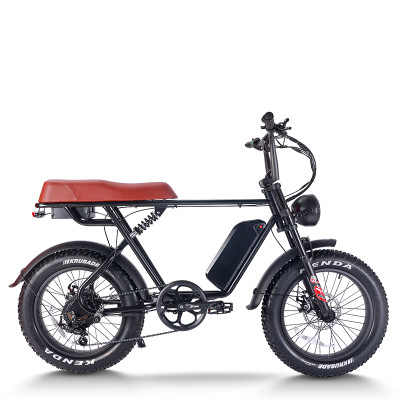
The first step in understanding certification is correctly classifying your vehicle. The rules for a low-power electric bicycle are vastly different from those for a high-power electric motorcycle. In the U.S., e-bikes are typically defined by having functional pedals and a motor under 750 watts, with speed limits for motor assistance. Electric dirt bikes often lack pedals, boast more powerful motors, and achieve higher speeds, placing them squarely in the category of motor vehicles like mopeds or motorcycles.
| Vehicle Class | Max Speed (Motor Only) | Pedals Required? | License & Registration Required? |
|---|---|---|---|
| Class 1/2 E-Bike | 20 mph | Yes | Generally No |
| Class 3 E-Bike | 28 mph (pedal-assist) | Yes | Generally No |
| Electric Motorcycle | Varies (often 30+ mph) | No | Yes |
The Gold Standard: Department of Transportation (DOT) Compliance
In the United States, the Department of Transportation (DOT) sets the Federal Motor Vehicle Safety Standards (FMVSS). For an electric dirt bike to be considered street legal, its components must be DOT-compliant. This isn't a single certificate for the whole bike but a collection of approvals for individual parts, ensuring they are safe for road use. A bike that is certified from the manufacturer will have a sticker on the frame stating it conforms to all applicable FMVSS.
The Essential Street-Legal Conversion Kit Checklist
If your bike is an off-road model, you'll need to add specific components to make it certifiable. This is often done using a "street legal kit." Here are the non-negotiable parts:
- Lighting: DOT-approved headlights (with high/low beams), taillights, brake lights, and turn signals are mandatory for visibility.
- Mirrors: You need at least one, but typically two, rearview mirrors to see traffic behind you.
- Horn: A functional electric horn loud enough to be heard by other drivers is required.
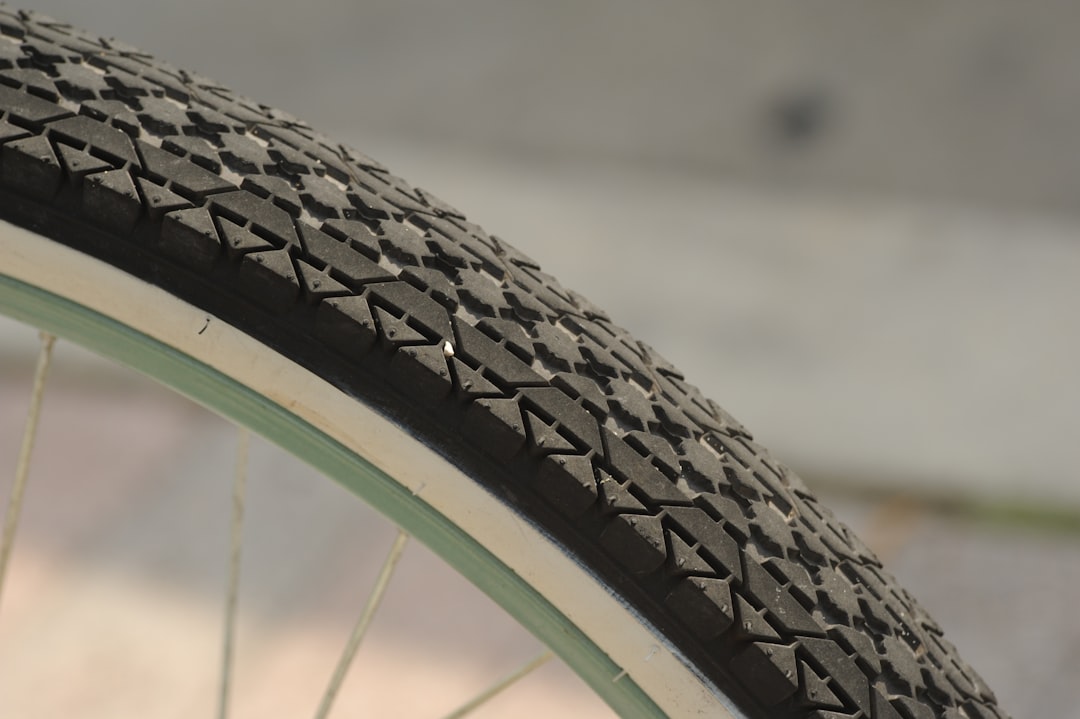
- Tires: Off-road knobby tires are unsafe for pavement and must be replaced with DOT-approved tires that offer proper grip and durability on asphalt.
- Speedometer: A gauge displaying your speed in MPH is necessary to comply with speed limits.
The Importance of the VIN and MCO
Two pieces of paper are just as important as the physical parts: the Vehicle Identification Number (VIN) and the Manufacturer's Certificate of Origin (MCO). An off-road bike may not have a 17-digit VIN that is recognized for on-road registration. A street-legal model will come with a proper VIN and an MCO. The MCO is like a birth certificate for the vehicle; you must present it to your local Department of Motor Vehicles (DMV) to apply for a title.
A Step-by-Step Guide to Getting Your Bike Certified
- Verify Your Bike's Status: Determine if your bike came with an MCO and a proper VIN for on-road use.
- Install Compliant Parts: If starting with an off-road model, purchase and install a full DOT-approved street-legal kit.
- Get an Inspection: Once modified, your bike will likely need to pass a safety inspection at a state-certified station. They will verify that all lights, the horn, and other required equipment function correctly.
- Gather Your Paperwork: Collect your MCO (or existing title), the safety inspection certificate, proof of ownership (bill of sale), and proof of insurance.
- Visit the DMV: Take all your documents to the DMV to apply for a title, registration, and a license plate.
Navigating State-Specific DMV Requirements
While DOT standards are federal, the final authority on street legality is your state's DMV. Each state has its own unique process. For example, some states are notoriously difficult for converting off-road vehicles to street-legal status, while others are more lenient. Always check your local DMV's website or visit an office to get a specific checklist for registering a 'custom' or converted motorcycle.
Do I Need a Motorcycle License and Insurance?
Absolutely. Once your electric dirt bike is classified and registered as a motorcycle, you must have the proper credentials to operate it. This includes:
- Motorcycle License: You will need a Class M endorsement on your driver's license.
- Insurance: Liability insurance is mandatory in nearly every state.
- Registration: Your bike's registration must be current, and the license plate must be properly displayed.
Common Challenges in the Certification Process
Be prepared for potential hurdles. A common issue is an MCO that explicitly states "For Off-Road Use Only." This can sometimes be a dead end at the DMV. Another challenge is ensuring every single component is verifiably DOT-compliant, not just a generic part bought online. Patience and thorough documentation are your best assets in this process.
Factory Street-Legal vs. DIY Conversion: Which is Right for You?
If the certification process seems daunting, you can opt to buy an electric motorcycle that is certified street-legal direct from the factory. These models come with all the required equipment, a proper VIN, and an MCO ready for the DMV. While they may cost more upfront, they save you the significant time and potential frustration of a DIY conversion project.
The Future of Electric Dirt Bike Regulations
As electric vehicles become more common, laws and regulations will continue to evolve. We may see more streamlined processes for certification or even new vehicle classes emerge. For now, adhering strictly to the established motorcycle standards is the only guaranteed path to legally enjoying your electric dirt bike on public roads.