E-Bike Sourcing Unlocked: A Buyer's Guide to MOQ and Lead Time for Maximum Profit
Unlocking Efficiency: A Deep Dive into E-Bike MOQ and Lead Time
Venturing into the electric bike market is an exciting prospect, fueled by a global surge in demand for sustainable and efficient mobility. However, for distributors, retailers, and fleet operators, success hinges on more than just market enthusiasm; it requires mastering the complexities of the manufacturing supply chain. Two of the most critical terms you will encounter are Minimum Order Quantity (MOQ) and Lead Time. Understanding how these two elements function and interact is fundamental to managing your cash flow, planning inventory, and ultimately, building a profitable e-bike business.
This comprehensive guide will demystify MOQ and lead time, providing you with the expert knowledge to navigate supplier negotiations and streamline your operations for a powerful market entry.
What is Minimum Order Quantity (MOQ)? A Manufacturer's Perspective
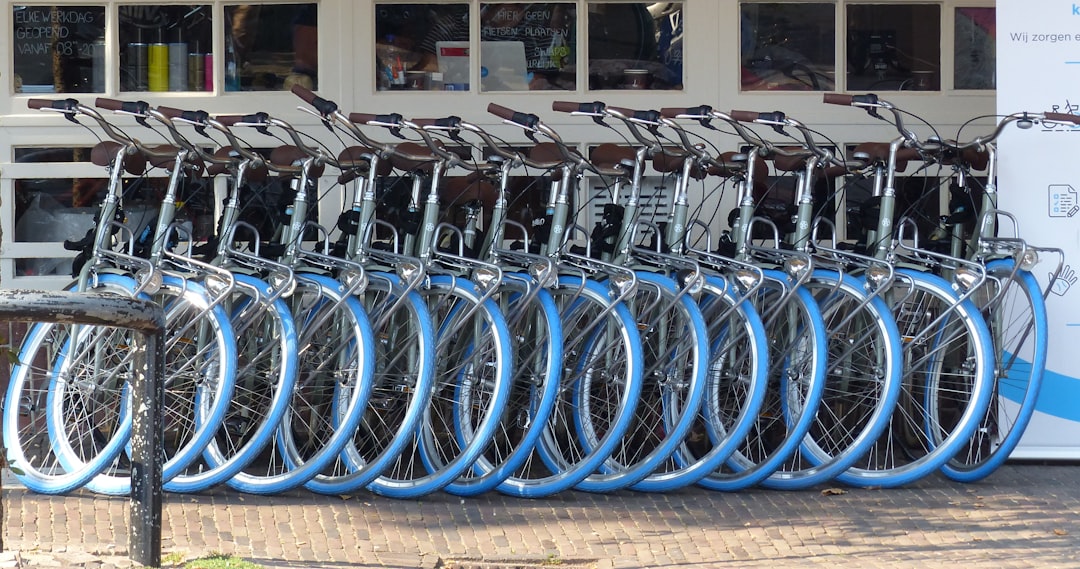
MOQ refers to the minimum number of units a manufacturer is willing to produce in a single production run. For e-bike factories, this number typically ranges from 50 to 200 units per model. This isn't an arbitrary figure; it's a carefully calculated threshold that allows the factory to operate efficiently and profitably. Setting an MOQ helps manufacturers cover the fixed costs associated with a production run, including machine setup, labor, and sourcing raw materials in bulk. By ensuring each run is large enough, they can reduce the per-unit cost, a saving that is often passed on to the buyer.
Why MOQ Matters for You, the Buyer
For buyers, MOQ directly impacts several key business areas:
- Upfront Capital Investment: A higher MOQ requires a more significant initial cash outlay. This can be a major hurdle for startups or small businesses.
- Unit Price: Generally, the higher the order quantity, the lower the per-unit cost. Meeting a factory's MOQ is the first step to unlocking favorable wholesale pricing.
- Inventory Risk: Ordering a large quantity of a single model can lead to overstocking if the product doesn't sell as expected. This ties up capital and incurs storage costs.
- Customization: Meeting or exceeding the MOQ often opens the door to customization options, such as branded logos, unique frame colors, or specific component configurations.
Understanding Lead Time: The Journey from Order to Delivery
Lead time is the total duration from when you place an order to when the finished e-bikes are delivered to you. This is not just the manufacturing time; it's a multi-stage process that includes several distinct phases. A typical mass-production lead time for electric bikes can be around 2-3 months, but this can fluctuate wildly based on numerous factors. Delays at any stage can have a cascading effect, disrupting your entire launch schedule and impacting customer satisfaction.
The Anatomy of E-Bike Lead Time
Lead time is a cumulative process. Let's break down the key stages:
- Component Sourcing (The Biggest Variable): This is often the longest and most unpredictable phase. A single e-bike is composed of hundreds of parts from various suppliers (motors, batteries, frames, derailleurs, brakes, tires). Delays in acquiring even one critical component, like a specific hydraulic brake set from Tektro or a derailleur from Shimano, can halt the entire production line. Sourcing parts can itself take weeks or even months.
- Production Planning & Scheduling: Once components are secured, the factory schedules your order into its production calendar.
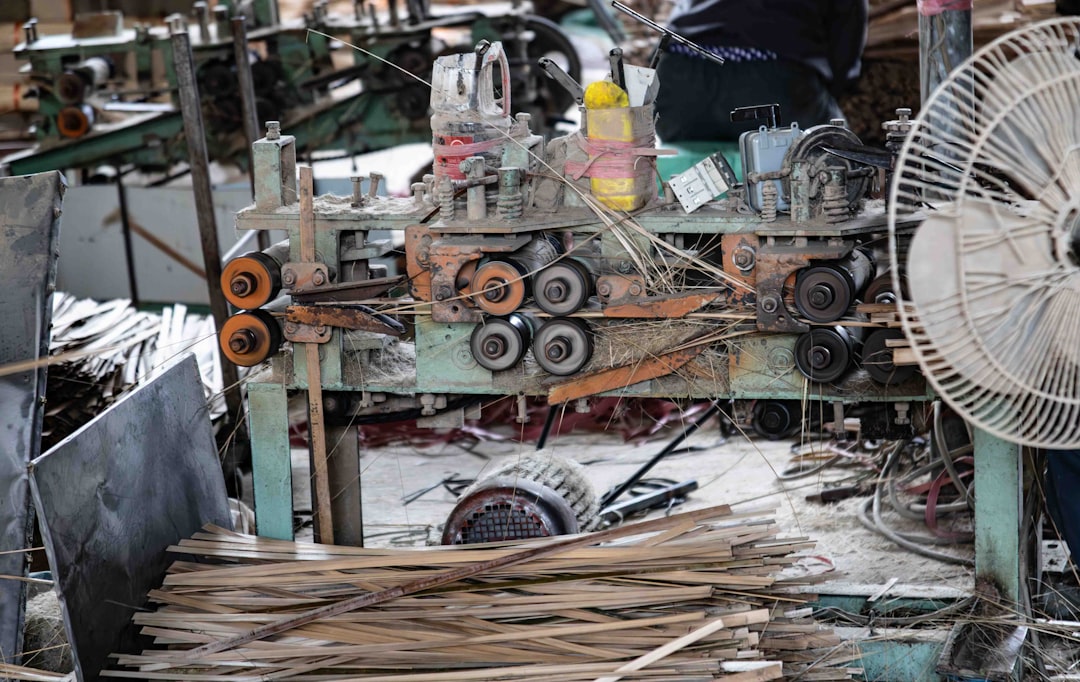
- Manufacturing & Assembly: This is the phase where the e-bikes are built. This includes frame welding, painting, component assembly, and initial quality checks.
- Quality Control & Certification: Rigorous testing is performed to ensure bikes meet quality and safety standards. If compliance testing for certifications like UL 2849 is required, this can add 4-6 months and significant cost if not planned for.
- Packaging & Logistics: The finished e-bikes are packaged and prepared for shipment. This involves arranging container space and inland transport to the port. Container availability and cost can introduce further delays.
- Shipping & Customs: The time spent in transit (usually via sea freight) and clearing customs at the destination port.
Key Factors That Influence E-Bike MOQ
MOQ is not always set in stone. It is influenced by several variables:
- Level of Customization: Standard, off-the-shelf models will generally have a lower MOQ. Highly customized orders requiring unique frames, molds, or components will demand a much higher MOQ to justify the specialized setup.
- Supplier's Scale: Large, established factories often have higher MOQs due to their large-scale operations. Smaller or more specialized factories may offer more flexibility.
- Component Availability: If a manufacturer has readily available components in stock, they may be more willing to accept a smaller order.
- Buyer-Supplier Relationship: Long-term partners with a history of consistent orders may be able to negotiate lower MOQs over time.
Key Factors That Influence E-Bike Lead Time
Lead time is notoriously volatile. Understanding the drivers of delay is key:
- Component Scarcity: The global supply chain for high-demand parts like branded motors, batteries, and shifting systems is tight. A shortage of a single part can delay production by months.
- Production Capacity: The factory's current workload plays a huge role. Ordering during peak season (often leading up to summer in the Northern Hemisphere) can mean longer waits.
- Order Complexity: Custom colors, branding, and non-standard components all add time to the production process.
- Shipping & Logistics: Port congestion, container shortages, and customs inspections are common sources of delay that are largely outside the manufacturer's control. An experienced manufacturer can help navigate these challenges but cannot always prevent them.
How MOQ and Lead Time Intersect
The relationship between MOQ and lead time is crucial for strategic planning. Placing a large order (high MOQ) might secure a lower per-unit cost, but it will almost certainly come with a longer lead time as the factory needs more time for component sourcing and manufacturing.
| Order Type | MOQ | Unit Cost | Production Lead Time | Inventory Risk |
|---|---|---|---|---|
| Trial Order | Low (if offered) | Highest | Shorter | Low |
| Standard Order | Medium (e.g., 50-100 units) | Medium | Standard (e.g., 60-90 days) | Medium |
| Large Custom Order | High (e.g., 200+ units) | Lowest | Longest (e.g., 90-120+ days) | High |
Strategies for Negotiating MOQ and Lead Time
Negotiation is a critical skill for any e-bike buyer. Here are some proven strategies:
- Start with Fewer SKUs: Instead of ordering small quantities of many different models, consolidate your order into a larger quantity of one or two core models. This makes you a more valuable customer.
- Limit Customization on Initial Orders: For your first order, stick to the manufacturer's standard specifications. This often allows for a lower MOQ and faster lead time.
- Ask for a Trial Order: Some manufacturers are willing to produce a smaller batch as a trial, albeit at a higher per-unit cost. This is a great way to test the product and market demand before committing to a large volume.
- Plan Ahead: Provide the supplier with a purchasing forecast for the entire year. This visibility allows them to plan their own material purchasing better and may lead to more favorable terms for you.
- Be Prepared to Pay a Premium: If you absolutely need a lower MOQ, ask if the supplier is willing to accommodate it for a higher price per unit. The increased cost may be worth the reduction in inventory risk.
Common Mistakes to Avoid
Many new distributors make predictable and costly errors. Be sure to avoid these pitfalls:
- Underestimating Lead Time: Never assume the initial estimate is final. Always add a buffer of several weeks (or even months) to your project timeline to account for unforeseen delays. Failing to do so can derail your marketing campaigns and seasonal sales window.
- Ignoring Compliance Costs and Time: Certifications like UL are not optional in many markets and can take 4-6 months. Plan for this from the very beginning.
- Focusing Only on Unit Price: An unusually low price can be a red flag for poor quality, non-compliant components, or a supplier with no after-sales support. Your Total Landed Cost (including shipping, tariffs, and compliance) is the number that matters.
Conclusion: Building a Resilient Supply Chain
Successfully sourcing electric bikes is a strategic balance of cost, time, and risk. By understanding the intricate relationship between Minimum Order Quantity and lead time, you can move beyond being a simple customer and become a strategic partner to your manufacturer. Start with a focused product line, plan for delays, and prioritize building strong supplier relationships. This expert approach will not only optimize your cash flow and reduce inventory risk but also build a resilient and profitable foundation for your e-bike business for years to come.