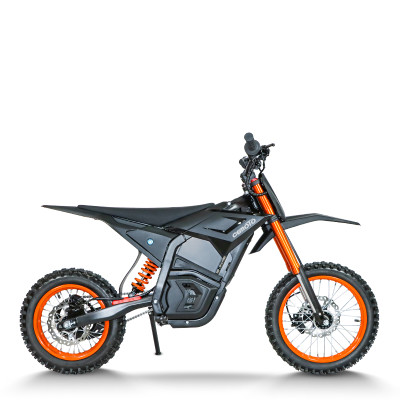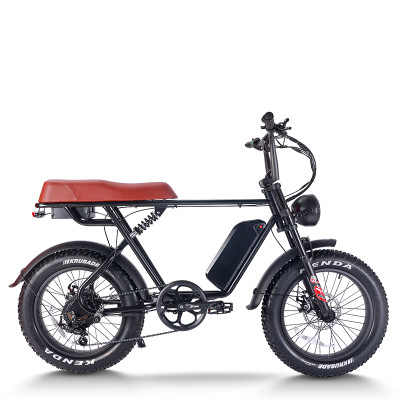
Compliance and Supply Chain Guide for Youth Electric Dirt Bikes
Introduction
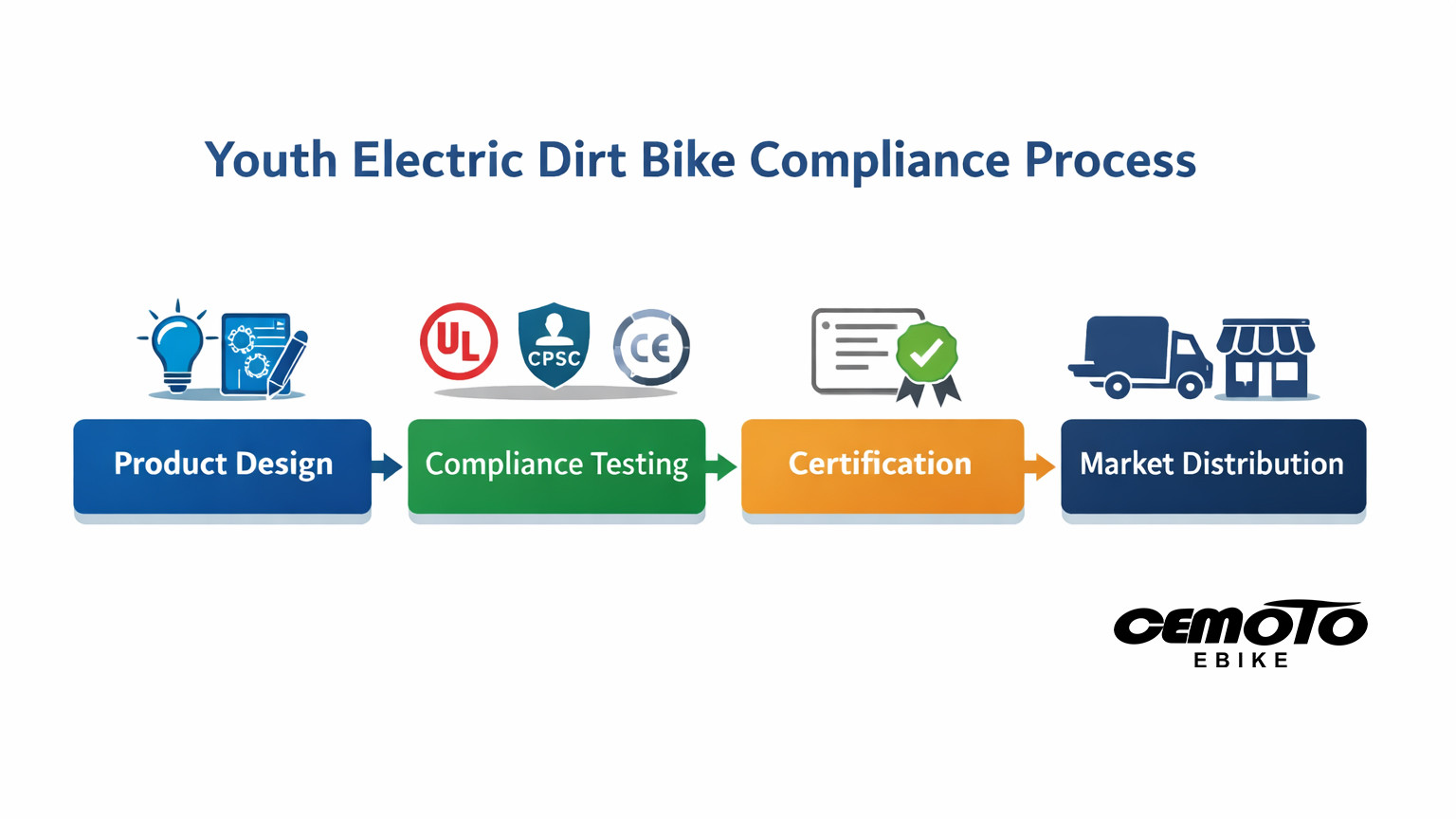
Once distributors have defined a youth electric dirt bike product lineup, the next critical challenge is execution. Regulatory compliance and supply chain management are not optional considerations—they directly determine whether products can legally enter the market, ship on time, and scale sustainably.
Youth electric dirt bikes face increasing scrutiny from regulators in both the United States and Europe, especially in areas related to battery safety, electrical systems, and mechanical performance. At the same time, distributors must manage manufacturing, logistics, and inventory risks that can quickly impact cash flow and customer trust.
This guide focuses on the key compliance standards and supply chain strategies that youth electric dirt bike distributors must understand before launching or expanding their business. By addressing these factors early, distributors can reduce operational risk and build a stable foundation for long-term growth.
For distributors of youth electric dirt bikes, ensuring compliance with local and international regulations is crucial for maintaining long-term business success. With the rapid growth of the electric bike market, regulations are becoming increasingly complex. At the same time, managing a cost-effective and responsive supply chain is vital to ensure timely delivery and to meet customer demands.
This section explores the critical compliance requirements for electric dirt bikes and provides strategies to streamline the supply chain. By focusing on compliance and efficient supply chain management, distributors can reduce risks, avoid costly errors, and enhance their overall competitiveness in the growing youth electric dirt bike market.
Compliance Management
1. U.S. Compliance: UL 2894 and CPSC Regulations
In the U.S., two key compliance standards are critical for electric dirt bikes: UL 2894 and the regulations set by the Consumer Product Safety Commission (CPSC). UL 2894 provides safety requirements for the electrical components of electric bikes, including the motor, battery, and charger systems. These standards help ensure the safety of the bike’s electrical system, minimizing the risks of fires, electrical shocks, and battery malfunctions.
• UL 2894: This standard covers the safety of electrical components, including the motor, battery, and charging systems. It ensures the bike is safe from electrical hazards like short circuits, overcharging, and electrical fires.
• CPSC Regulations: These regulations focus on mechanical safety, including braking performance, frame strength, and the presence of reflective materials. These regulations are mandatory for all electric bikes sold in the U.S., and failure to meet them can lead to legal issues and safety risks.
To mitigate risks, CEMOTO ensures all its electric dirt bikes are UL 2894 certified for electrical safety and comply with CPSC regulations for mechanical safety. This ensures the bikes are safe for U.S. consumers, minimizing the risk of legal challenges or recalls.
Key Compliance Points:
• UL 2894 certification for electrical system safety.
• CPSC-approved features for mechanical safety, including braking and frame strength.
• Proper labeling and documentation to ensure product compliance.
Compliance Risk to Consider
What can go wrong
If youth electric dirt bikes are not fully compliant with UL 2894 or CPSC regulations, shipments may be rejected at customs, blocked by sales platforms, or subject to mandatory recalls. Electrical safety issues such as battery overheating or charger failures can also lead to serious safety incidents.
Why it matters to distributors
Non-compliance in the US market exposes distributors to high legal and financial risks, including product liability claims, forced recalls, and long-term damage to brand credibility. In many cases, distributors—not manufacturers—are held responsible by regulators and retailers.
Risk mitigation approach
Distributors should ensure that products are tested and certified by accredited laboratories, with complete documentation covering electrical systems, braking performance, and labeling requirements. Working with manufacturers that understand UL and CPSC enforcement practices significantly reduces compliance risk.
2. EU Compliance: CE Marking and EN 15194
In the European market, electric dirt bikes must adhere to the EN 15194 standard, which regulates electric bicycles' safety features, including their power output, braking systems, and battery durability. Additionally, products must carry the CE Mark, indicating that they meet European health, safety, and environmental requirements.
• EN 15194: This standard covers the safety of electric bikes, including limits on motor power, braking system requirements, and battery durability.
• CE Mark: The CE Mark is essential for selling electric bikes in the EU, ensuring they meet all necessary European standards for safety and environmental impact.
CEMOTO's electric dirt bikes are CE marked, guaranteeing compliance with EN 15194. This ensures that CEMOTO products are eligible for sale throughout the European Union, providing distributors with a competitive edge in this growing market.
Key Compliance Points:
• CE marking to meet EU safety and environmental standards.
• EN 15194 certification for electric bikes, focusing on power output, braking, and battery safety.
• Detailed product documentation for compliance audits.
Compliance Risk to Consider
What can go wrong
Products that fail to meet EN 15194 requirements or lack proper CE documentation may be prohibited from sale within the EU. Common issues include incorrect power classification, incomplete technical files, or missing conformity declarations, which can trigger customs inspections or market surveillance actions.
Why it matters to distributors
In the EU, compliance failures can result in immediate sales bans, product withdrawals, and penalties imposed by market authorities. Even minor documentation gaps can delay shipments and disrupt distributor cash flow during peak sales seasons.
Risk mitigation approach
Distributors should verify that CE marking is supported by a complete technical file, test reports, and a valid Declaration of Conformity. Aligning product specifications with EU definitions from the design stage helps avoid reclassification risks after market entry.
3. Global Compliance: RoHS and WEEE Directives
For global markets, it is important to comply with two significant directives: RoHS (Restriction of Hazardous Substances) and WEEE (Waste Electrical and Electronic Equipment). These directives govern the use of hazardous materials in electrical and electronic products and ensure proper disposal and recycling.
• RoHS Compliance: Ensures that no hazardous substances like lead, mercury, or cadmium are present in the bike's components.
• WEEE Compliance: Focuses on the proper recycling and disposal of electrical components, ensuring that end-of-life products are disposed of in an environmentally responsible manner.
By adhering to both RoHS and WEEE regulations, CEMOTO ensures that all its electric dirt bikes are environmentally friendly and meet global sustainability standards.
Key Compliance Points:
• RoHS compliance to ensure that hazardous substances (such as lead, mercury, cadmium) are not present in the components.
• WEEE compliance for proper disposal and recycling of electrical components.
Compliance Risk to Consider
What can go wrong
Failure to comply with RoHS or WEEE directives may result in restricted market access, fines, or forced removal of products from distribution channels. Environmental audits may uncover the use of restricted substances or improper recycling registration.
Why it matters to distributors
Environmental compliance is increasingly enforced across global markets and sales platforms. Distributors may face penalties, listing removals, or partnership termination if products do not meet sustainability and recycling requirements.
Risk mitigation approach
Distributors should ensure that all electrical components meet RoHS substance restrictions and that WEEE registration is properly handled in target markets. Clear documentation and traceability of materials help minimize regulatory and platform-related risks.
Optimizing the Supply Chain for Electric Dirt Bikes
An efficient supply chain is crucial for distributors to maintain a reliable flow of products, meet customer demand, and minimize costs. A smooth supply chain ensures that bikes are delivered on time, in the correct quantities, and at the right price. Below are some strategies for optimizing the supply chain in the electric dirt bike industry.
1. Sourcing and Manufacturing Strategy
Distributors need to select manufacturers that not only meet compliance standards but also demonstrate reliability and flexibility in fulfilling orders. Working with a manufacturer that can accommodate changing demands and provide high-quality products is essential for ensuring timely deliveries and customer satisfaction.
• OEM/ODM Partnerships: Choose manufacturing partners that can offer OEM (Original Equipment Manufacturing) or ODM (Original Design Manufacturing) capabilities to ensure the product design aligns with market requirements.
• Certifications: Verify that the manufacturer has the necessary certifications (e.g., UL, CE, RoHS) before placing bulk orders.
• Quality Control: Ensure that the manufacturer has robust quality control procedures in place to meet compliance and safety standards consistently.
2. Inventory Management
Effective inventory management is essential to ensure that distributors can meet market demand without overstocking or understocking. Here are some strategies to manage inventory effectively:
• Real-Time Data: Use inventory management software that tracks sales trends and provides real-time data on inventory levels. This allows distributors to avoid overstocking and reduce costs.
• Seasonal Demand: Be aware of peak seasons for electric dirt bikes (such as spring and summer), and plan inventory levels accordingly to meet increased demand during these times.
• Demand Forecasting: Utilize demand forecasting tools to predict sales trends and plan inventory levels. This helps ensure that the distributor is prepared for fluctuations in demand without carrying excessive inventory.
3. Shipping and Fulfillment
Shipping and fulfillment can be a bottleneck in the supply chain if not properly managed. It is important for distributors to work with reliable shipping partners that offer fast and cost-effective delivery solutions. This is especially important for markets with a high volume of orders, such as the U.S. and Europe.
• International Shipping: Work with logistics partners who have experience in shipping heavy and bulky items like electric dirt bikes.
• Warehousing: Consider maintaining regional warehouses (e.g., in the U.S. or Europe) to reduce shipping times and costs for end customers.
• Tracking and Transparency: Provide customers with real-time tracking information to improve their experience and reduce customer service inquiries.
Operational Risk to Consider
What can go wrong
Supply chain disruptions such as delayed production, incomplete certifications, or logistics bottlenecks can cause missed delivery timelines and stock shortages. Inconsistent quality control may also lead to increased after-sales issues and warranty claims.
Why it matters to distributors
For youth electric dirt bikes, delays or quality issues directly impact seasonal sales performance and customer trust. Poor supply chain execution can quickly erode profit margins and strain distributor–dealer relationships.
Risk mitigation approach
Distributors should work with manufacturers that offer stable production capacity, transparent quality control processes, and certification-ready product designs. Maintaining regional inventory buffers and clear communication with logistics partners helps reduce execution risk.
Conclusion
For distributors, compliance and supply chain optimization are critical to success in the electric dirt bike market. Meeting regulatory requirements ensures that products are safe for consumers and legally compliant in different regions, while an efficient supply chain helps reduce costs and improve delivery times.
By focusing on strict compliance practices and streamlining supply chain processes, distributors can avoid costly mistakes, build a reputation for reliability, and maximize profitability. This approach will position distributors as trusted leaders in the growing youth electric dirt bike market.
The youth electric dirt bike market offers significant growth opportunities for distributors, but it also presents unique challenges that require careful management. By understanding the various stages of youth rider development and tailoring product offerings to meet the specific needs of each stage, distributors can ensure they meet customer demands while minimizing risks.
Key strategies for success in this market include:
• Stage-Based Product Planning: By aligning product offerings with different skill levels, from entry-level to advanced youth riders, distributors can cater to a wide range of needs and maximize market potential.
• Compliance and Safety: Ensuring all products meet the necessary safety and regulatory standards, such as UL 2894, CPSC, EN 15194, and CE marking, is essential for minimizing legal risks and building consumer trust.
• Supply Chain Optimization: A reliable and efficient supply chain is vital for maintaining inventory levels, reducing costs, and ensuring timely delivery to customers.
• Customer Support: Providing comprehensive after-sales support helps to build customer loyalty, encourage repeat business, and improve overall customer satisfaction.
By focusing on these critical areas, distributors can build a solid foundation for success in the growing youth electric dirt bike market. Offering high-quality products, maintaining strong compliance practices, and providing exceptional customer service will position distributors as trusted leaders in this expanding industry.
FAQ – Compliance & Supply Chain Guide
Why is compliance critical for youth electric dirt bikes?
Youth electric dirt bikes are subject to stricter regulatory scrutiny than standard bicycles due to battery systems, motor power, and rider age. Non-compliance can result in shipment delays, sales bans, recalls, or legal liability. For distributors, compliance directly determines whether products can legally enter and remain in the market.
What compliance standards apply in the United States?
In the US market, youth electric dirt bikes must comply with UL 2894 for electrical safety and CPSC regulations for mechanical safety. These standards cover battery systems, chargers, braking performance, frame strength, labeling, and general product safety. Failure to meet these requirements can lead to recalls or enforcement actions.
Are CE marking and EN 15194 mandatory for selling in Europe?
Yes. Youth electric dirt bikes sold in the EU must comply with EN 15194 and carry a valid CE mark. This requires proper testing, a complete technical file, and a Declaration of Conformity. Products without correct CE documentation may be blocked by customs or removed from the market.
Who is responsible for compliance—the manufacturer or the distributor?
While manufacturers handle testing and certification, distributors are often considered the responsible economic operator in target markets. Regulators and platforms may hold distributors accountable for non-compliance, especially in cases involving product recalls, safety incidents, or documentation gaps.
What are the most common compliance risks distributors face?
Common risks include incomplete certification documents, incorrect product classification, battery safety failures, missing labels, and outdated test reports. These issues can cause customs clearance delays, rejected listings on sales platforms, or forced product withdrawals after launch.
How do RoHS and WEEE affect youth electric dirt bike distribution?
RoHS restricts the use of hazardous substances in electrical components, while WEEE governs recycling and disposal obligations. Distributors may face fines, listing removals, or regulatory action if products do not meet environmental compliance requirements or lack proper registration in target markets.
Can non-compliant products still be sold as “off-road only”?
Labeling products as “off-road only” does not automatically remove compliance obligations. In many markets, regulators assess actual product design, power output, and usage rather than marketing claims. Distributors should not rely on labeling alone to avoid compliance requirements.
How does compliance impact supply chain and delivery timelines?
Incomplete certifications or missing documentation can delay production, shipping, and customs clearance. Compliance issues discovered late in the supply chain often result in re-testing, re-labeling, or redesign, significantly increasing costs and delaying market entry.
What supply chain risks are specific to youth electric dirt bikes?
Key risks include unstable battery supply, inconsistent quality control, certification delays, logistics bottlenecks, and seasonal inventory pressure. Because youth electric dirt bikes are often sold during peak seasons, supply chain disruptions can have an outsized impact on revenue.
How can distributors reduce compliance and supply chain risks?
Distributors should work with manufacturers that have proven compliance experience, stable production capacity, and transparent documentation processes. Early compliance planning, regular quality audits, and maintaining buffer inventory in key markets help reduce operational and regulatory risk.