A Wholesale Buyer's Guide to Electric Dirt Bike Performance and Handling Characteristics for Better ROI
Unlocking Profitability: Why Performance and Handling are Crucial for Wholesale Electric Dirt Bikes
When sourcing electric dirt bikes for wholesale, it's easy to focus on top-line specs like battery range and price. However, the true measure of a bike's value—both to your customers and your bottom line—lies in its performance and handling. These characteristics determine rider safety, satisfaction, and the long-term durability of your fleet. For businesses like rental parks or dealerships, a bike that handles predictably and performs reliably translates directly into fewer accidents, better customer reviews, and a higher return on investment. This guide delves into the essential engineering principles that wholesale buyers need to understand to make informed purchasing decisions.
The Electric Advantage: Instant Torque and Controllable Power
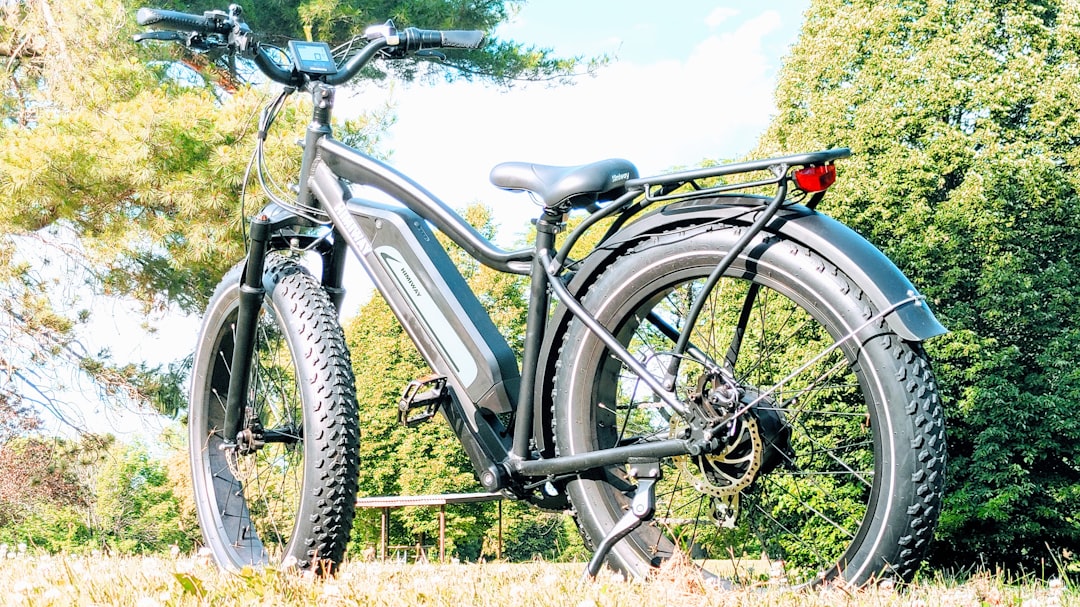
Unlike gasoline engines that need to build up revs, electric motors deliver instant torque. This is a game-changer for off-road performance. It means immediate acceleration from a standstill, providing riders with the power to conquer steep inclines and exit corners with authority a gas bike can't match. For a wholesale buyer, it's essential to evaluate not just the peak torque but how it's delivered. Look for models with sophisticated controllers that allow for smooth power modulation. A jerky throttle can be intimidating for beginners, while a refined power curve enhances control for experienced riders, making the bike more versatile for a wider range of customers.
Center of Gravity: The Core of Stability and Agility
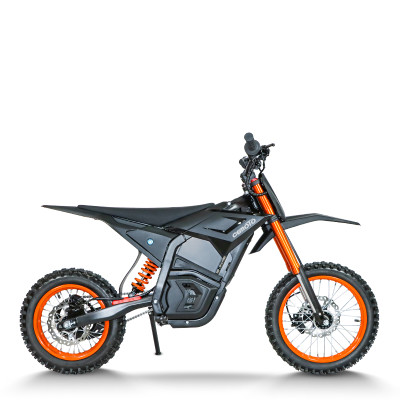
The placement of heavy components, primarily the battery and motor, dictates the bike's center of gravity (CG). A low CG enhances stability, making the bike feel planted and secure in corners and on uneven terrain. Conversely, a higher CG can make a bike feel more 'flickable' or agile, allowing riders to change direction quickly. When evaluating wholesale electric dirt bikes, pay close attention to the battery integration. A centrally located and low-mounted battery pack contributes to a balanced feel, preventing the bike from feeling top-heavy and improving rider confidence. This balance is a key factor in how a bike handles, affecting everything from cornering to jump stability.
Chassis and Frame Rigidity: The Backbone of Superior Handling
The chassis is the skeleton of the motorcycle, and its rigidity has a profound impact on handling. A frame that flexes unpredictably under load will feel vague and unresponsive. Modern electric dirt bikes often use lightweight but strong materials like aluminum for their frames, designed in configurations like the delta-box or perimeter styles. These designs provide excellent torsional rigidity, ensuring that steering inputs are transferred directly to the wheels. This creates a responsive and predictable ride, which is vital for both safety and performance. For a rental fleet, a robust chassis also means greater durability and a longer service life.
Off-Road Dominance: Evaluating Suspension Systems
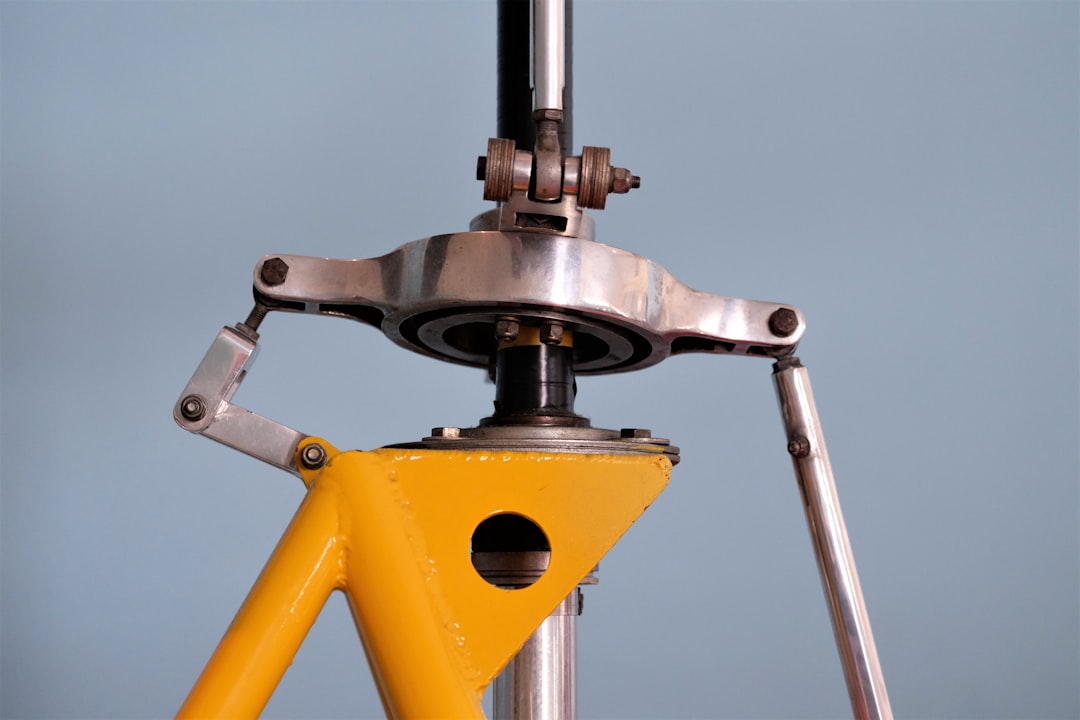
Suspension does more than just absorb bumps; it’s fundamental to maintaining traction and control. For a dirt bike, the suspension system consists of front forks and a rear shock. Key considerations for a wholesale purchase include:
- Travel: Longer suspension travel allows the wheels to absorb larger impacts without unsettling the chassis.
- Adjustability: High-quality suspension offers adjustments for preload, compression, and rebound damping. This allows you to tune the bike for different rider weights and terrain types, a crucial feature for rental businesses catering to diverse clientele.
- Components: Inverted front forks provide greater rigidity and reduced unsprung weight compared to conventional forks, leading to better suspension response.
A well-set-up suspension keeps the tires in contact with the ground, maximizing grip for both acceleration and braking.
Braking Systems: Ensuring Rider Safety and Confidence
Powerful acceleration requires equally potent braking. Hydraulic disc brakes are the standard for any quality dirt bike, offering superior stopping power and feel compared to mechanical or drum brakes. When sourcing bikes, inspect the braking system for quality components. Larger diameter brake rotors provide better heat dissipation and more leverage, while braided steel brake lines can offer a firmer, more consistent feel at the lever. For electric bikes, also consider the regenerative braking capabilities, which not only help recharge the battery but can also provide a form of engine braking to help control speed on descents.
The Critical Connection: Wheels and Tires
Tires are the only point of contact with the ground, making their selection vital for handling. The type of tire—its tread pattern, compound, and size—should match the intended use. A knobby, aggressive tire is necessary for loose dirt and mud, while a more intermediate pattern might be better for hard-packed trails. Wheel size also plays a role; a common off-road setup is a 21-inch front wheel and an 18-inch rear wheel. The larger front wheel helps to roll over obstacles more easily, enhancing stability and smoothing out the ride.
Steering Geometry: Understanding Rake and Trail
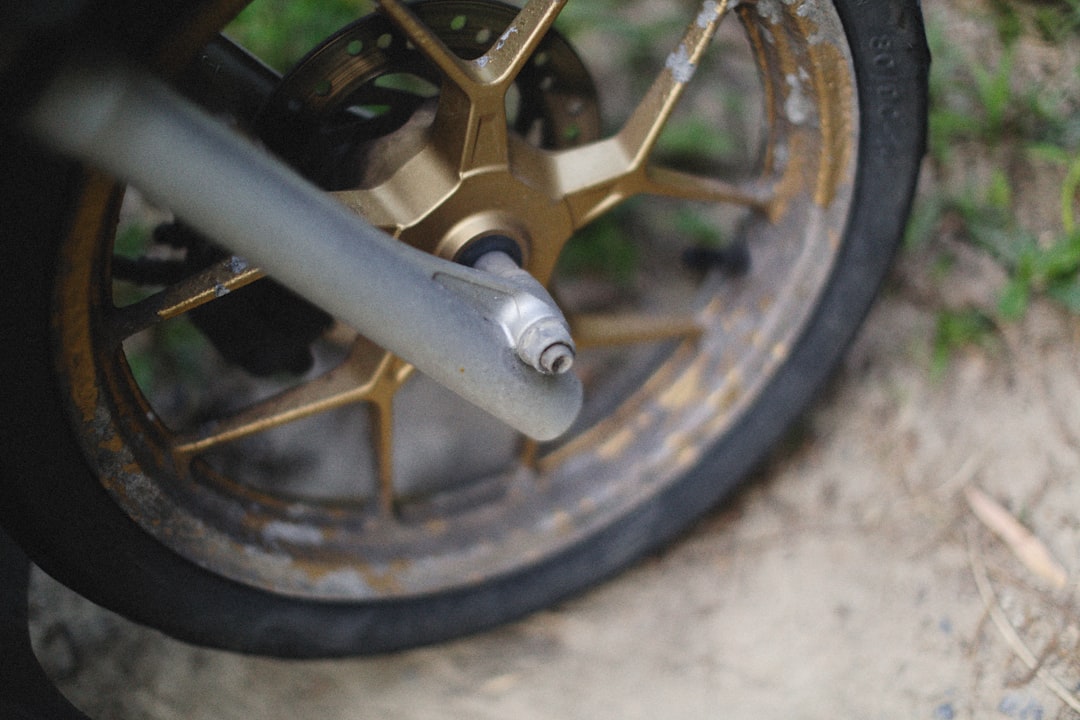
Steering geometry, defined by the rake and trail, determines how the motorcycle steers.
- Rake (or Caster Angle): This is the angle of the steering head from the vertical. A 'slacker' rake angle (a larger number) increases stability at high speeds but makes for slower steering. A 'steeper' angle makes the bike turn more quickly.
- Trail: This is the distance the front axle's contact patch trails behind the steering axis. More trail leads to greater straight-line stability, while less trail allows for quicker, more agile handling.
Off-road bikes are engineered with a balance between agility for tight trails and stability for fast sections.
Weight and Maneuverability: The Balancing Act
While electric dirt bikes benefit from a lower center of gravity, their overall weight is still a key performance factor. Lighter bikes are generally easier to handle, require less effort to maneuver, and are less fatiguing to ride over long periods. In the wholesale context, a lighter bike is also less intimidating for novice riders and easier to manage in case of a fall, potentially reducing damage to the bike and injury to the rider. The use of lightweight materials like aluminum for the frame, swingarm, and other components is a sign of a quality design focused on performance.
The Business Case: Performance Translates to Profit
Investing in electric dirt bikes with superior performance and handling characteristics is a strategic business decision. Here is a breakdown of what to look for when making a wholesale purchase:
| Feature | Standard Specification | Premium Specification (for higher ROI) | Why It Matters for Your Business |
|---|---|---|---|
| Motor Controller | Basic, non-programmable | Programmable, smooth power curve | Accommodates a wider range of skill levels, increasing customer satisfaction. |
| Chassis | Steel cradle frame | Aluminum perimeter or delta-box frame | Lighter weight and higher rigidity lead to better handling and greater durability. |
| Suspension | Non-adjustable, basic damping | Fully adjustable (preload, compression, rebound) | Offers a superior ride, reduces wear, and can be tailored to individual customers. |
| Brakes | Standard hydraulic discs | Large-diameter rotors, braided lines | Enhanced safety reduces liability and increases rider confidence. |
| Battery Placement | High or rear-biased | Low, centralized within the frame | A lower center of gravity dramatically improves stability and ease of handling. |
By prioritizing these characteristics, you are not just buying a product; you are investing in customer experience, safety, and the long-term health of your rental fleet or retail inventory. A bike that inspires confidence and is thrilling to ride will generate positive word-of-mouth and repeat business, ensuring a stronger return on your wholesale investment.