A Strategic Sourcing Guide: How to Choose the Right Electric Bike Configurations for Your Wholesale Business
The global electric bike market is expanding at an unprecedented rate, presenting a massive opportunity for retailers, fleet operators, and distributors. However, success in this competitive landscape hinges on more than just securing a low wholesale price; it depends on making strategic choices about e-bike configurations. The right combination of motor, battery, frame, and components will define your product's performance, appeal to your target audience, and build a trustworthy brand. This guide provides a comprehensive framework for navigating the complex world of e-bike specifications to make informed wholesale purchasing decisions.
Why Your E-Bike Configuration Strategy Matters
Choosing an e-bike configuration isn't just a technical decision; it's the foundation of your business strategy. The models you select directly impact market fit, customer satisfaction, maintenance costs, and ultimately, your profit margins. A poorly configured fleet can lead to warranty nightmares and a damaged reputation, while a well-chosen lineup becomes a reliable source of revenue. Before diving into components, it's essential to understand that every choice should be a deliberate step toward meeting the specific needs of your end-users.
First, Define Your Target Market and Use Case
Who are you selling to? The ideal e-bike for a dense urban commuter is vastly different from one designed for a recreational trail rider or a delivery service. Before you look at a single spec sheet, define your primary audience.
- Urban Commuters: Prioritize reliability, comfort, and features like integrated lights, racks, and fenders. Lower maintenance components are a plus.
- Delivery and Cargo: Focus on frame strength, high-torque motors, large battery capacity for extended range, and robust cargo racks.
- Recreational and Trail Riders: These users look for performance, so suspension, powerful motors for hill climbing, and durable drivetrains are key.
- Rental Fleets: Durability, ease of use, and low maintenance are paramount. Models with simple controls and sturdy frames are ideal.
The Heart of the E-Bike: Motor Selection
The motor is the core of the e-bike experience, directly influencing ride feel and performance. The two primary types are hub motors and mid-drive motors, each with distinct advantages.
Hub Motors: Simple and Cost-Effective
Located in the hub of the front or rear wheel, these motors are generally less expensive and simpler in design.
- Pros: Lower cost, minimal maintenance, and independent operation from the bike's drivetrain.
- Cons: Can create an unbalanced weight distribution (especially front hub motors) and are less efficient on steep hills.
- Best for: Flat urban environments, budget-conscious models, and commuter bikes where simplicity is valued.
Mid-Drive Motors: Performance and Efficiency
Positioned at the bike's bottom bracket, mid-drive motors leverage the bike's existing gears.
- Pros: Superior hill-climbing ability, balanced center of gravity for better handling, and a more natural-feeling pedal assist. They are highly efficient.
- Cons: Higher cost and more complex design, which can lead to increased drivetrain wear.
- Best for: E-MTBs, cargo bikes, and premium commuters who demand high performance and efficiency.
| Motor Type | Best Use Case | Pros | Cons |
|---|---|---|---|
| Hub Motor | Urban Commuting, Flat Terrains | Lower cost, simple design | Less efficient on hills, unbalanced weight |
| Mid-Drive Motor | Hilly Terrains, Off-Road, Cargo | High efficiency, balanced, natural feel | Higher cost, more complex |
Powering the Ride: Battery Specifications
The battery determines an e-bike's range, weight, and charging time. When sourcing wholesale, look for batteries with high-quality cells from reputable manufacturers like Samsung, LG, or Panasonic to ensure safety and longevity.
Key Battery Metrics
- Voltage (V): A higher voltage (e.g., 48V vs. 36V) generally means more power and efficiency. 48V systems are becoming the standard for performance-oriented bikes.
- Amp-Hours (Ah): This measures the battery's capacity. Higher Ah translates to a longer range.
- Watt-Hours (Wh): Calculated by multiplying Volts and Amp-Hours (V x Ah), this is the most accurate measure of total battery capacity. For daily commuting, a capacity of at least 480Wh is a good baseline.
Look for a supplier that provides clear information on battery cell origin and includes-a sophisticated Battery Management System (BMS) to protect against overcharging and overheating.
The Foundation: Frame and Fork Choices
The frame dictates the bike's durability, comfort, and overall purpose.
- Frame Material: Aluminum is the most common material, offering a great balance of weight, strength, and corrosion resistance. Steel is heavier but extremely durable, making it suitable for cargo bikes. Carbon fiber is a premium, lightweight option rarely used for wholesale due to its high cost.
- Frame Geometry: Step-through frames are popular for urban and casual bikes due to their accessibility, while diamond frames offer more rigidity for performance and off-road models.
- Suspension: A front suspension fork absorbs bumps for a smoother ride, essential for trail bikes and increasingly popular on premium commuters. Full-suspension (front and rear) is for serious off-road use.
Stopping Power: Evaluating Brake Systems
Safety is non-negotiable. Given the higher speeds and weight of e-bikes, a reliable braking system is critical. The primary choice is between mechanical and hydraulic disc brakes.
- Mechanical Disc Brakes: These are cable-actuated, less expensive, and easier to service. They offer adequate performance for entry-level and city bikes.
- Hydraulic Disc Brakes: These use fluid to transfer force, providing significantly more stopping power, better modulation (control), and more consistent performance in all weather conditions. They are the preferred choice for mid-range to high-end e-bikes.
Drivetrain and Gearing Considerations
A quality drivetrain ensures smooth shifting and reliability. Components from well-known brands like Shimano or SRAM are a strong indicator of quality and make servicing easier. The number of gears required depends on the motor type and intended terrain. A mid-drive motor can perform well with fewer gears, while a hub motor may benefit from a wider gear range to assist on varied terrain.
Wheels and Tires: The Point of Contact
Wheels for e-bikes need to be stronger than those on standard bicycles to handle the extra weight and torque. Look for rims with a higher spoke count. Tire selection should match the bike's intended use:
- Slick or semi-slick tires: Ideal for city and road use for minimal rolling resistance.
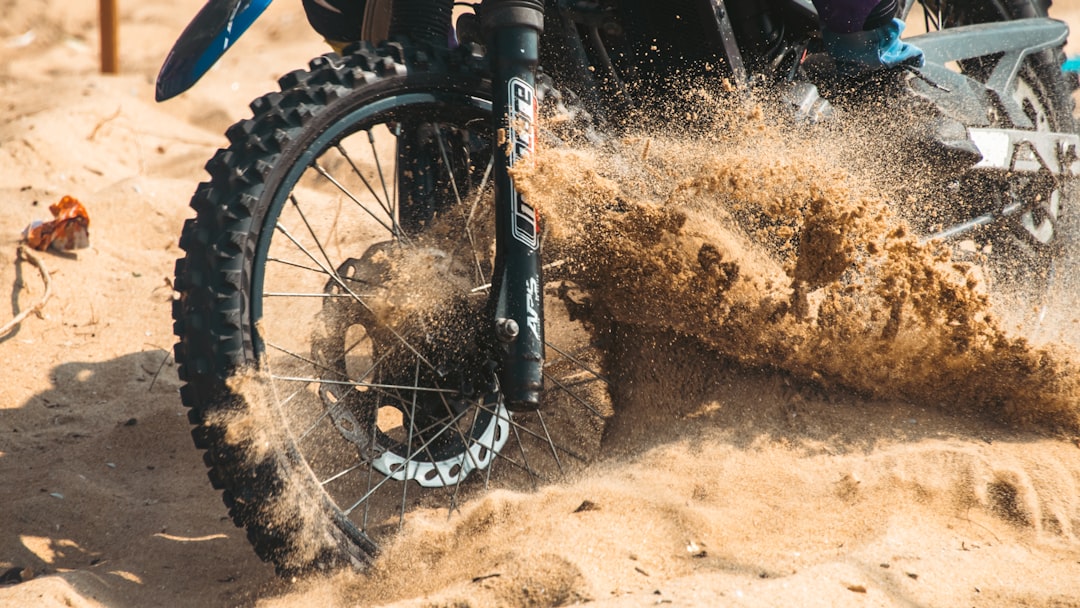
- Knobby tires: Essential for mountain and trail bikes for grip on loose surfaces.
- Fat tires: Provide excellent stability and float over sand or snow.
Puncture protection is a highly recommended feature for all e-bike tires to reduce maintenance headaches.
Accessories and Customization Options
For wholesale orders, particularly OEM/ODM, customization is a key differentiator. Common options include:
- Branding: Custom frame colors and logo decals to build your brand identity.
- Integrated Lighting: A valuable safety feature for commuters.
- Racks and Fenders: Essential for utility and all-weather riding.
- LCD Displays: Clear displays showing speed, battery life, and assist level enhance the user experience. Bluetooth connectivity can be a valuable add-on for fleet management.
Partnering with the Right Supplier
Finally, the reliability of your product is intrinsically linked to the quality of your manufacturing partner. A good supplier offers more than just a product; they provide a partnership. Look for evidence of robust quality control processes (IQC, IPQC, FQC), clear communication, and strong after-sales support, including readily available spare parts and transparent warranty terms. Choosing a partner who understands different market requirements and can provide necessary certifications (like UL for batteries) is crucial for long-term success.
By carefully considering each of these configuration areas, you can build a wholesale e-bike portfolio that is perfectly aligned with your market, delivers exceptional value to your customers, and drives sustainable growth for your business.