12 E-Bike Sourcing Mistakes That Can Cripple Your Business (And How to Avoid Them)
The electric bike market is exploding, offering immense opportunities for entrepreneurs and established businesses alike. However, the rush to capitalize on this trend can lead to critical sourcing mistakes that jeopardize quality, safety, and your brand's reputation. A single misstep in the complex process of finding a manufacturing partner can result in financial loss, legal trouble, and unhappy customers.
Successfully sourcing e-bikes is not merely a transaction; it's about building a strategic partnership. This guide outlines the 12 most common and costly mistakes businesses make in e-bike sourcing and provides expert advice on how to steer clear of them. By focusing on due diligence, clear communication, and quality assurance, you can build a resilient supply chain and a brand that customers trust.
1. Focusing Solely on the Lowest Price
One of the most frequent and damaging mistakes is choosing a supplier based on the lowest cost per unit. While managing costs is crucial, an unusually low price is often a red flag for compromised quality. This can manifest as low-grade frame materials that are prone to cracking, unreliable electronic components, or substandard assembly that leads to high failure rates. The short-term savings are quickly erased by the long-term costs of warranty claims, product returns, and irreparable damage to your brand's reputation. True value lies in a balance of fair pricing, high-quality components, and a reliable manufacturing process.
2. Skipping On-Site Supplier Audits
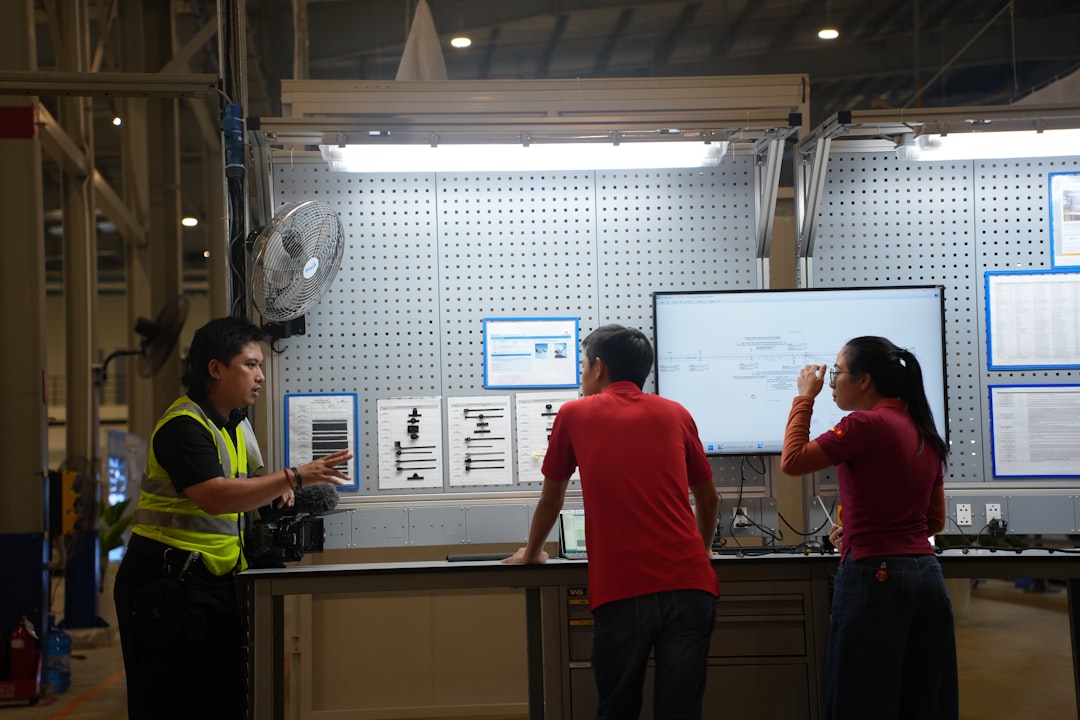
A supplier's website and sales representatives can paint a perfect picture, but the reality on the factory floor may be vastly different. Skipping an on-site audit means you are sourcing blind. You have no way to verify if they are a legitimate manufacturer or just a trading company, assess their production capacity, or witness their quality control processes firsthand. An in-person visit allows you to inspect the assembly lines, check for organized workflows, and meet the team responsible for building your products. If a personal visit isn't feasible, hiring a third-party auditing firm is a non-negotiable investment in risk mitigation.
3. Having an Inadequate Quality Control (QC) Strategy
Assuming your supplier will handle all quality control is a recipe for disaster. A robust QC strategy must be defined by you and implemented at multiple stages. This includes:
- Pre-Production Inspection: Inspecting raw materials and components before mass production begins.
- In-Line Inspection: Checking products at various points during the assembly process to catch issues early.
- Final Pre-Shipment Inspection: A thorough review of a statistically significant sample of the finished products based on a detailed checklist. Common issues to check for include weld quality, paint finish, frame alignment, and proper assembly. Without a multi-stage QC process, you risk receiving a container full of defective products.
4. Underestimating Battery & Motor Due Diligence
The battery and motor are the heart of an e-bike, and also the biggest safety risk. Sourcing cheap, uncertified batteries is a massive liability that can lead to fires and serious injury. Insist that your supplier uses cells from reputable manufacturers (e.g., Samsung, LG, Panasonic) and that the entire battery pack is certified to standards like UL 2849 for the US or EN 15194 for the EU. Likewise, the motor's specified power should match its real-world performance. Demand detailed specifications for both and verify them during sample testing.
5. Using Vague Product Specifications
If you don't provide a highly detailed product specification sheet (often called a 'Tech Pack'), you leave critical decisions up to the factory, which will almost always choose the cheapest option. Your spec sheet should leave no room for interpretation. It must include frame geometry, material types, specific brand and model numbers for components (brakes, shifters, derailleurs), motor wattage and torque, battery chemistry and capacity (in Watt-hours), and even Pantone colors for the paint and decals.
6. Ignoring International Regulations and Import Compliance
Every country has its own laws governing electric bikes. These regulations dictate motor power limits, maximum speed, and whether a throttle is permitted. For example, the EU generally limits motors to 250W with a 25 km/h speed cap, while the US has a three-class system that allows for more power and speed. Furthermore, you must account for import duties, tariffs (which can change suddenly), and required documentation for customs clearance. Failing to understand and comply with these rules can lead to your shipment being seized at the border.
7. Skipping Pre-Production Samples
Never, under any circumstance, proceed to mass production without first ordering, testing, and approving a final pre-production sample. This sample is your 'golden standard.' It represents what the factory is capable of producing in bulk. You must rigorously test it for performance, durability, and build quality. Ride it, take it apart, and compare every single component against your specification sheet. Only after you have signed off on this sample should you authorize the full production run.
8. Tolerating Poor Communication
Clear, consistent, and documented communication is the bedrock of a successful sourcing relationship. Language barriers, time zone differences, and cultural nuances can lead to costly misunderstandings. Establish a clear protocol for communication. Use precise and simple language, confirm every detail in writing (email is better than chat apps for record-keeping), and be patient but firm. A supplier who is unresponsive, evasive, or consistently misunderstands instructions during the sales process will only be worse once they have your deposit.
9. Overlooking After-Sales Support and Spare Parts
Your responsibility does not end after the initial sale; it extends to providing service and support for the lifetime of the product. Before signing a contract, establish a clear plan with your supplier for after-sales support. How will warranty claims be handled? More importantly, can they guarantee the availability of crucial spare parts like batteries, controllers, and motors for several years? A brand that cannot support its products will not last long.
10. Agreeing to Unfavorable Payment and Contract Terms
Protect your cash flow and mitigate risk by negotiating fair payment terms. A standard arrangement is 30% upfront to begin production and the remaining 70% upon completion and successful pre-shipment inspection. Avoid paying 100% upfront at all costs. Furthermore, ensure you have a comprehensive manufacturing agreement that details product specifications, quality standards, production timelines, penalties for delays, and ownership of intellectual property. This contract is your legal protection if a dispute arises.
11. Failing to Protect Your Intellectual Property (IP)
If your e-bike features a unique design, technology, or branding, you must take steps to protect it. While patents and trademarks are the strongest forms of protection, a simple and effective first step when dealing with overseas manufacturers is to have them sign an NNN (Non-Disclosure, Non-Use, Non-Circumvention) agreement. This agreement, which should be drafted by a lawyer familiar with your supplier's country, legally prevents them from copying your design, selling it to others, or bypassing you to sell directly to your customers.
12. Setting Unrealistic Production and Shipping Timelines
Sourcing and manufacturing take time. Rushing the process often leads to mistakes and lower quality. A typical timeline, from vetting suppliers to receiving your first shipment, can take 6-9 months or longer. Be sure to account for:
- Sample Development: 30-60 days
- Mass Production: 45-90 days, depending on order size
- Ocean Freight: 30-45 days
- Customs & Inland Transit: 7-14 days
Also, factor in potential delays from national holidays, raw material shortages, and port congestion. Building buffer time into your timeline is essential for managing expectations and maintaining a healthy business.
Comparing Supplier Characteristics
To help you identify the right partner, here is a quick comparison of what to look for versus what to avoid.
| Characteristic | Reliable Partner ✅ | Risky Supplier ❌ |
|---|---|---|
| Communication | Clear, responsive, and proactive. | Vague, slow to respond, avoids issues. |
| Focus on Quality | Welcomes QC inspections, has certifications. | Resists third-party QC, lacks certifications. |
| Expertise | Offers technical feedback and suggestions. | Agrees to everything without question. |
| Transparency | Open about their factory and processes. | Is secretive or only shows a showroom. |
| Pricing | Reasonable and justified by component quality. | Suspiciously low, cuts corners on materials. |
| After-Sales | Has a clear plan for spare parts and warranty. | No plan for support after shipment. |
Conclusion: Diligence is Your Best Investment
Sourcing electric bikes is a complex but manageable process. Avoiding these common mistakes boils down to one core principle: diligence. By investing time in research, supplier verification, quality control, and clear communication, you transform from a simple buyer into a strategic partner. This approach not only mitigates risk but also lays the foundation for a sustainable, reputable, and successful e-bike brand.